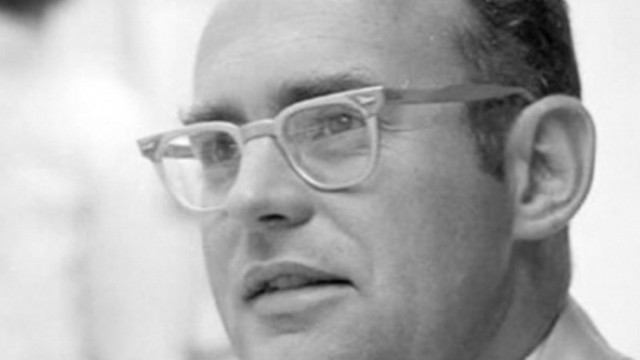
Gordon Moore
1929  San Francisco [USA]
† 2023
San Francisco [USA]
† 2023
He was an American engineer and physicist, co-founder of Intel and author of Moore's Law.
He earned his doctorate in chemistry and physics from the California Institute of Technology (Caltech) in 1954.
He joined Caltech graduate William Shockley at the Shockley Semiconductor Laboratory (a division of Benchmark Instruments), but left with the "Traitorous Eight" when Sherman Fairchild agreed to support them and create the Fairchild Semiconductor Corporation.
In 1968, together with Robert Noyce, he founded Intel. He served as executive vice president until 1975, when he was named president and chief executive officer. In April 1979, he became a member of the board of directors as well as chief executive officer, holding both positions until April 1987, when he stepped down as chief executive.
In an April 19, 1965, article in Electronics magazine, he predicted that computer power would double every 24 months.
Contemporary computing celebrities to Gordon Moore
-
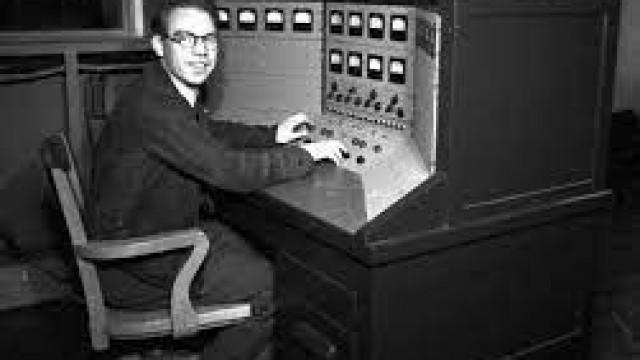 John Backus
1924
Philadelphia [USA]
† 2007
John Backus is the father of FORTRAN (an acronym for FORmula TRANslator), the first high-level programming language that had a major commercial impact.
He developed it at IBM with the intention of making it easier to program its calculators with a language more similar to the language of mathematics. -
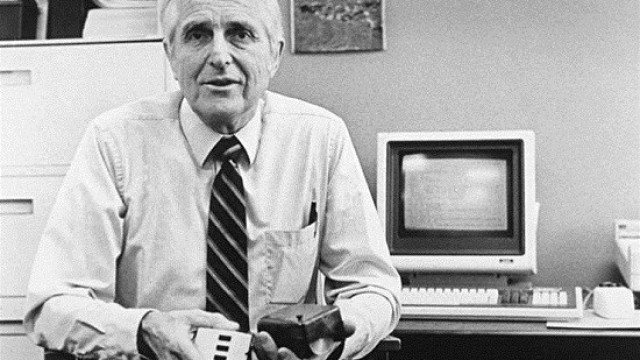 Douglas Engelbart
1925
Portland [USA]
† 2013
He is considered the father of the mouse, among many other contributions to modern computing.
-
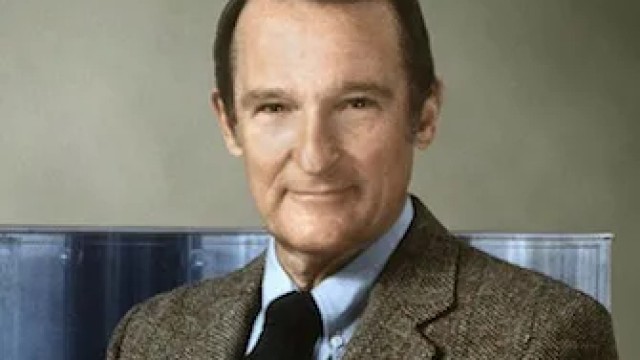 Seymour Cray
1925
Chippewa Falls [USA]
† 1996
Cray is known as the father of supercomputers because he designed a series of computers that were the fastest in the world for decades.
-
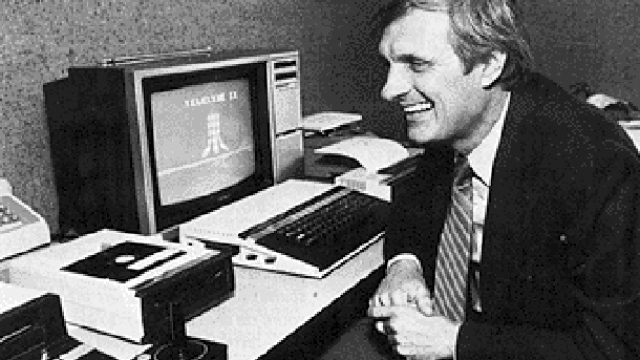 Ray Kassar
1928
New York [USA]
† 2017
Ray Kassar was an American businessman, Chairman and CEO of Atari from 1978 to 1983.
-
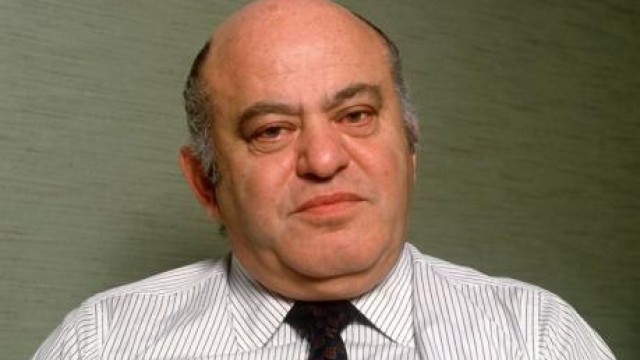 Jack Tramiel
1928 Lodz [Poland]
† 2012
Lodz [Poland]
† 2012
Polish-born American businessman, famous for founding Commodore International and later serving as CEO of Atari Corp.
-
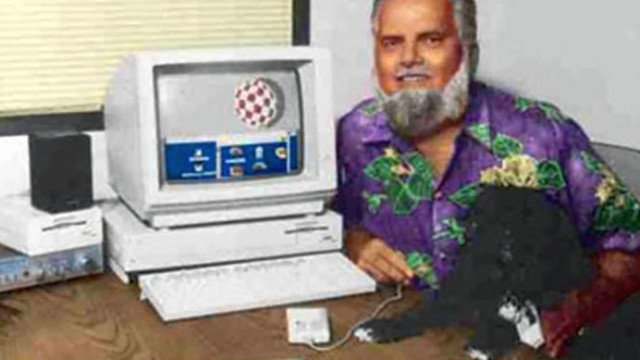 Jay Miner
1932
[USA]
† 1994
He was an integrated circuit designer, best known for developing multimedia chips for the Atari 2600 and Atari 8-bit families and as the "father of the Amiga".


