Personal Computers programming languages
A programming language is an artificial language for expressing computer programs.
Each language has a set of strict syntactic and semantic rules that must be followed to write a computer program,
describing its structure and meaning respectively.
These rules allow you to specify both the type of data the program will work with and the actions it will perform.
While some languages are defined by a formal specification (a document),
others are informally defined by a specific implementation (a compiler).
There are currently thousands of programming languages, and new ones are being created all the time.
-
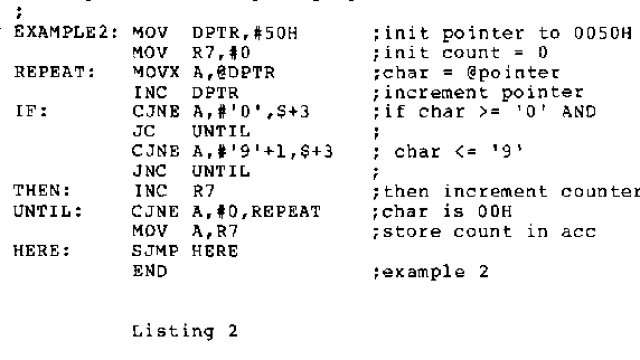 Assembly
Launched: 1947
-
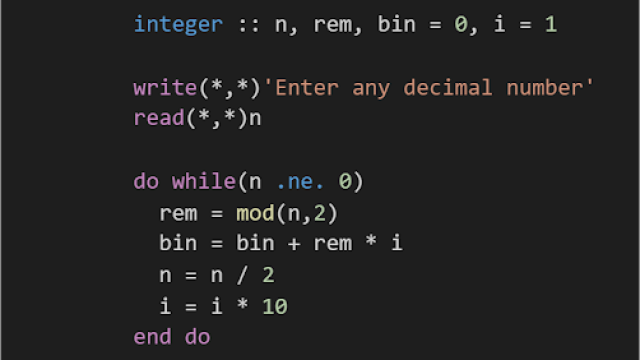 FORTRAN
Developed by: IBM
Launched: 1957
Fortran is a general-purpose, compiled, imperative programming language developed by IBM in 1957 for scientific and engineering computing. It is especially known for its use in high-performance computing, such as scientific simulations, numerical analysis, and in fields such as computational physics and computational fluid dynamics. Although it is an old language, it continues to evolve with regular updates and has a modern ecosystem.
-
 ALGOL
ALGOL
Launched: 1958
ALGOL, computer programming language designed by an international committee of the Association of Computing Machinery (ACM), led by Alan J. Perlis of Carnegie Mellon University, during 1958–60 for publishing algorithms, as well as for doing computations.
-
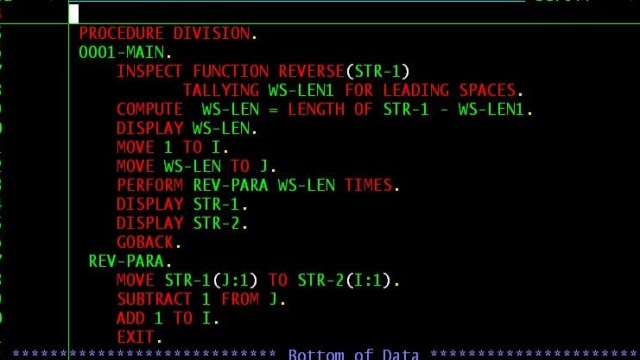 COBOL
COBOL
Launched: 1960
COBOL, which stands for Common Business-Oriented Language, is a high-level programming language designed in 1959 specifically for business and administrative tasks. It is known for its English-like syntax, making it readable and maintainable, and it remains crucial for running many large-scale applications on mainframe computers in areas like finance and government.
-
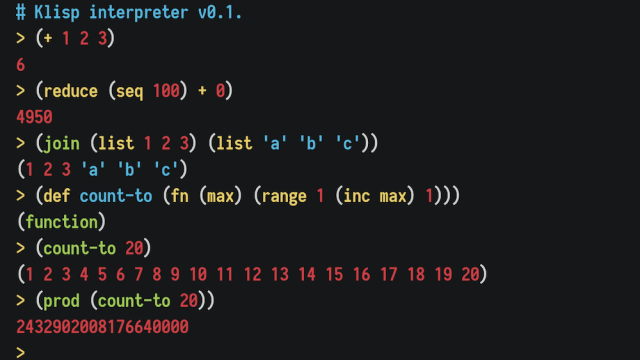 Lisp
Lisp
Launched: 1960
Lisp is a programming language invented by John McCarthy in 1958 to support symbolic computation, with its name standing for "List processor".
-
 APL
APL
Developed by: Kenneth E. Iverson
Launched: 1962
APL is an array language, and one of the oldest programming languages still in use today, next to FORTRAN, Lisp and COBOL. APL uses its own curious-looking symbols, like ⍎⌽⍕⌈*○≡⍬ , rather than reserved words written out in English like most other languages, like C or Python.
-
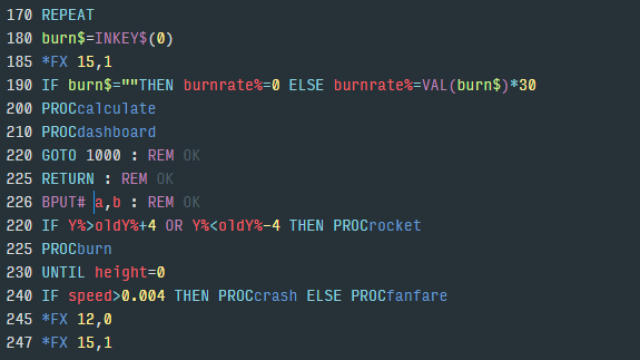 BASIC
BASIC
Launched: 1964
-
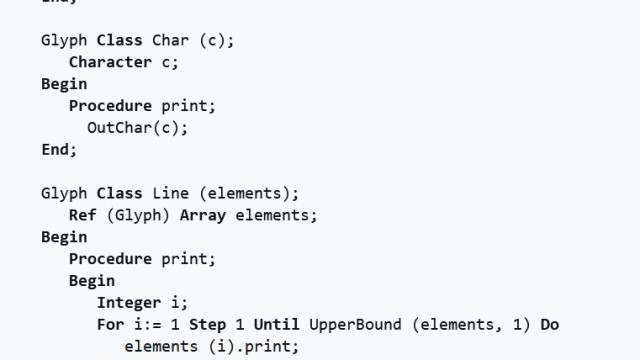 SIMULA
Launched: 1967
Simula is the name of two simulation programming languages, Simula I and Simula 67, developed in the 1960s at the Norwegian Computing Center in Oslo, by Ole-Johan Dahl and Kristen Nygaard. Syntactically, it is an approximate superset of ALGOL 60, and was also influenced by the design of SIMSCRIPT.
-
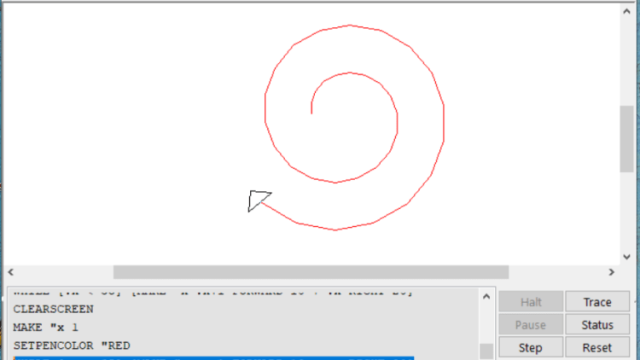 Logo
Logo
Launched: 1967
Logo, a computer programming language that originated in 1967 as a simplified LISP dialect for use in education; Seymour Papert and others used it at the Massachusetts Institute of Technology (MIT) to teach mathematical thinking to schoolchildren.
-
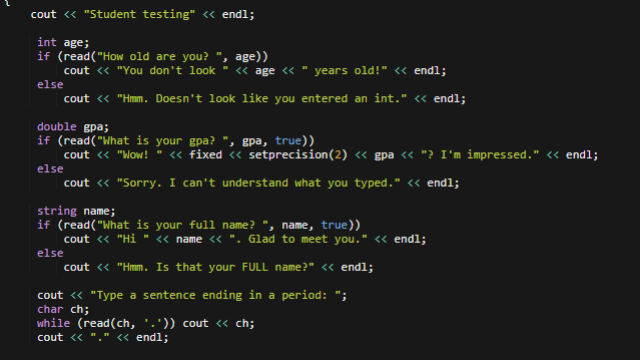 Pascal
Developed by: Niklaus Wirth
Launched: 1970
Pascal is an imperative and procedural programming language, designed by Niklaus Wirth as a small, efficient language intended to encourage good programming practices using structured programming and data structuring.
-
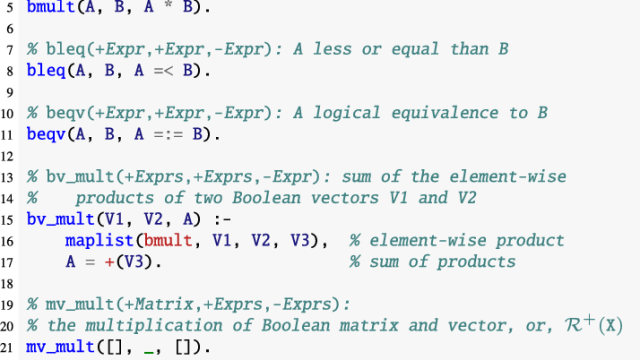 Prolog
Launched: 1972
Prolog is a logic programming language developed in the early 1970s, primarily used for artificial intelligence and expert systems. It is a declarative language where programmers define a set of logical rules and facts, and the system uses these to answer queries without the programmer specifying the step-by-step procedure.
-
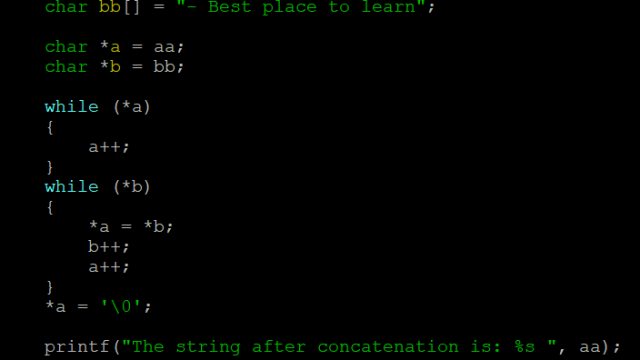 C
C
Launched: 1972
-
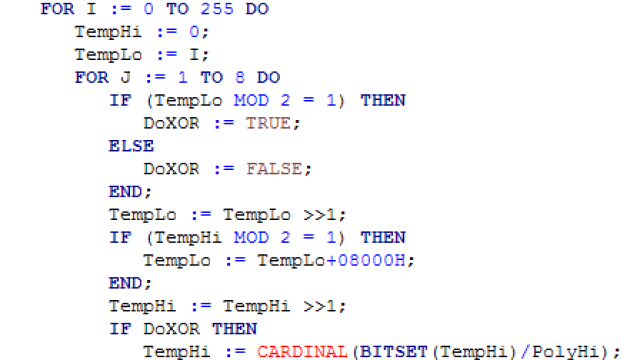 Modula
Launched: 1975
Modula, is a family of programming languages, including Modula-2 and Modula-3, which are descendants of Pascal and known for their module system and safety features.
-
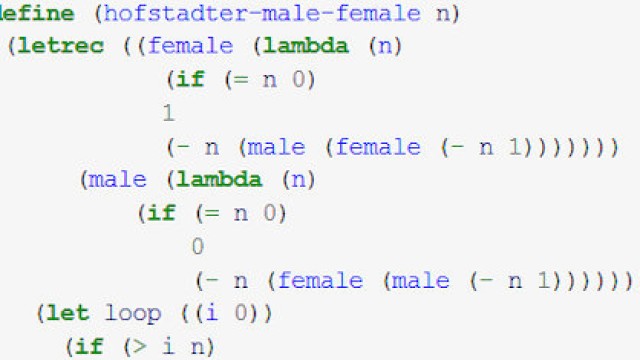 Scheme
Launched: 1975
-
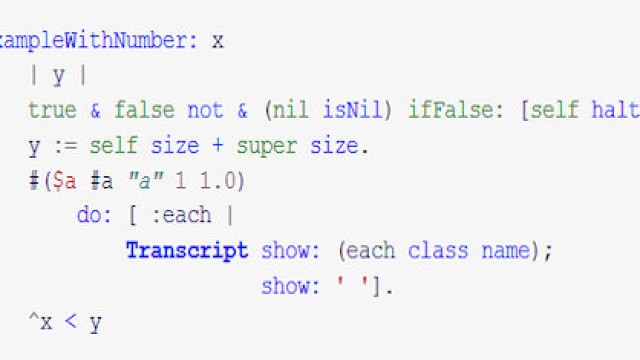 Smalltalk
Developed by: Xerox PARC - Learning Research Group (LRG) - Adele Goldberg, Dan Ingalls & Alan Kay
Launched: 1980
Smalltalk is a purely object oriented programming language (OOP) that was originally created in the 1970s for educational use.
Smalltalk is a pure object-oriented language, meaning that everything in Smalltalk programming is an object, including numbers, characters, and even classes themselves. Objects communicate with each other by sending messages, which triggers the execution of methods associated with the receiving object. -
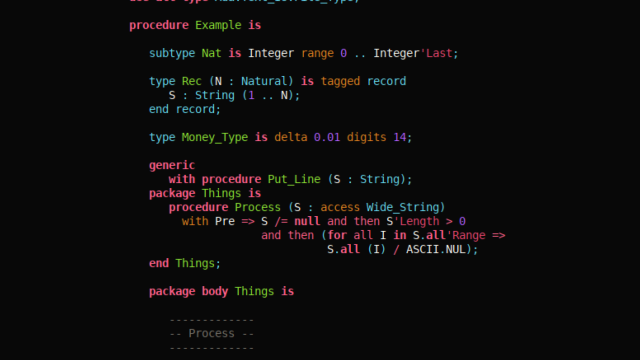 Ada
Ada
Launched: 1983
Ada is a modern programming language designed for large, long-lived applications – and embedded systems in particular – where reliability and efficiency are essential. It was originally developed in the early 1980s (this version is generally known as Ada 83) by a team led by Dr. Jean Ichbiah at CII-Honeywell-Bull in France. The language was revised and enhanced in an upward compatible fashion in the early 1990s, under the leadership of Mr. Tucker Taft from Intermetrics in the U.S. The resulting language, Ada 95, was the first internationally standardized (ISO) Object-Oriented Language. Under the auspices of ISO, a further (minor) revision was completed as an amendment to the standard; this version of the language is known as Ada 2005. A more significant revision was completed (including support for program annotations) and is known as Ada 2012.
The name “Ada” is not an acronym; it was chosen in honor of Augusta Ada Lovelace (1815-1852), a mathematician who is sometimes regarded as the world’s first programmer because of her work with Charles Babbage. She was also the daughter of the poet Lord Byron. -
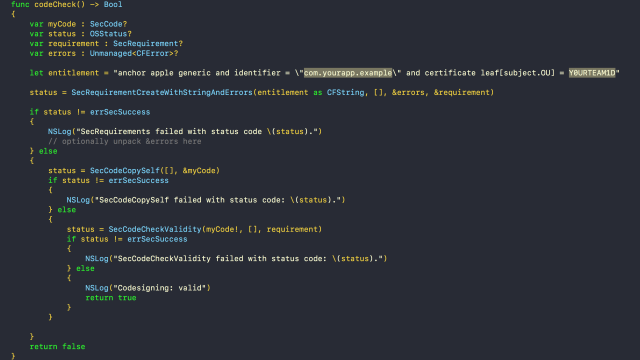 Objective-C
Launched: 1983
Objective-C is a high-level general-purpose, object-oriented programming language that adds Smalltalk-style message passing (messaging) to the C programming language.
Originally developed by Brad Cox and Tom Love in the early 1980s, it was selected by NeXT for its NeXTSTEP operating system. Due to Apple macOS’s direct lineage from NeXTSTEP, Objective-C was the standard language used, supported, and promoted by Apple for developing macOS and iOS applications (via their respective application programming interfaces (APIs), Cocoa and Cocoa Touch) from 1997, when Apple purchased NeXT, until the introduction of the Swift language in 2014. -
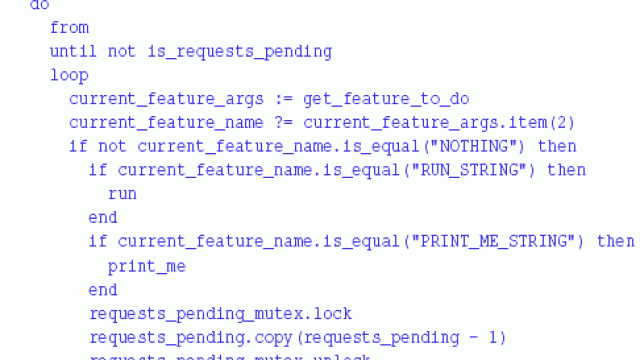 Eiffel
Launched: 1986
-
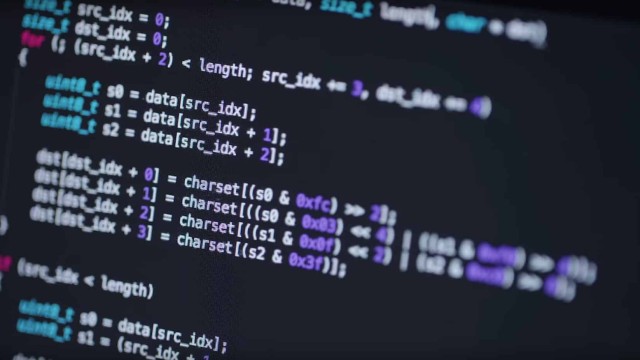 C++
C++
Launched: 1986
-
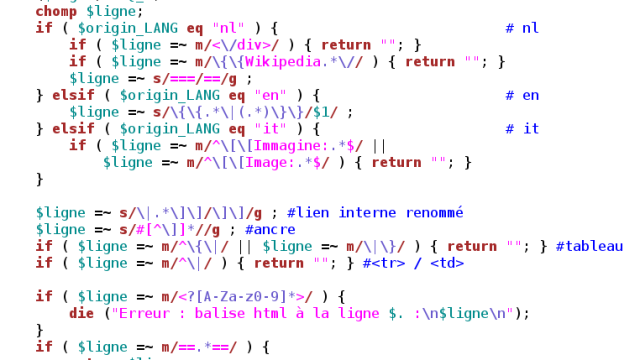 Perl
Perl
Developed by: Larry Wall
Launched: 1987
Perl is a highly expressive programming language: source code for a given algorithm can be short and highly compressible. Perl gained widespread popularity in the mid-1990s as a CGI scripting language, in part due to its powerful regular expression and string parsing abilities.
-
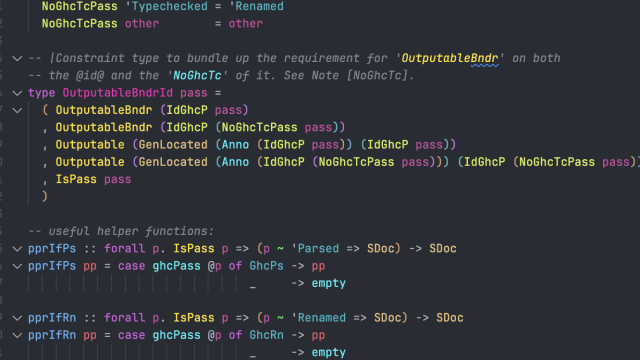 Haskell
Launched: 1990
-
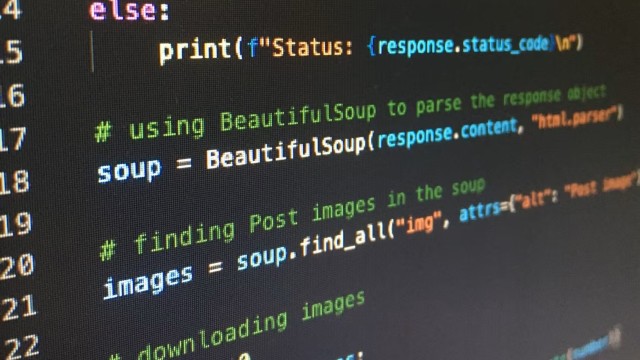 Python
Launched: 1991
-
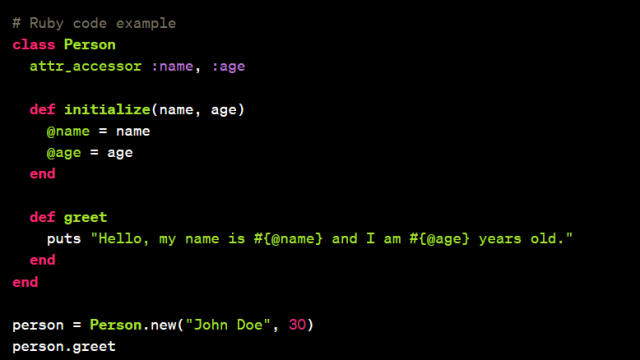 Ruby
Ruby
Launched: 1993
-
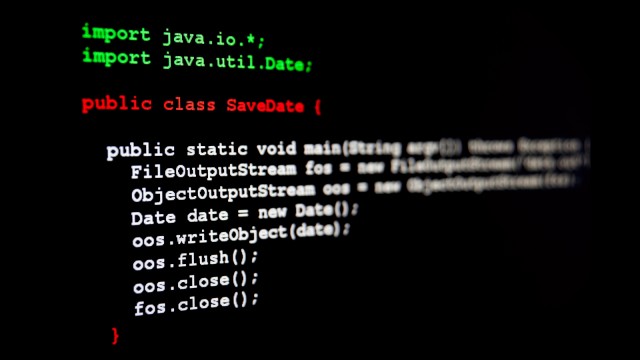 Java
Java
Launched: 1995
-
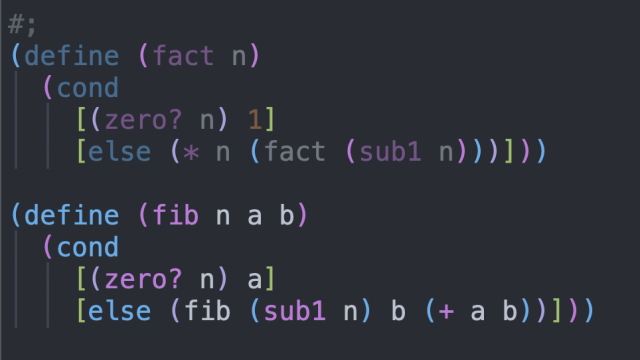 Racket
Launched: 1995
-
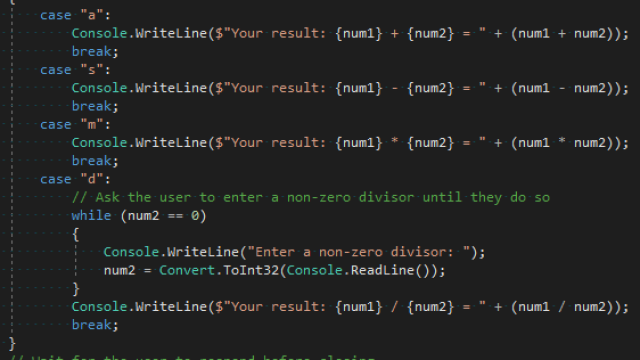 C#
C#
Launched: 2000
-
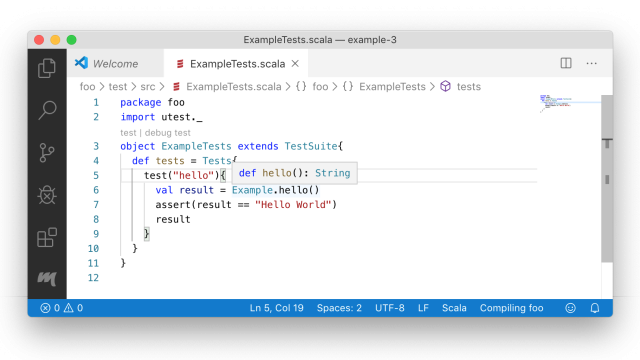 Scala
Scala
Launched: 2003
-
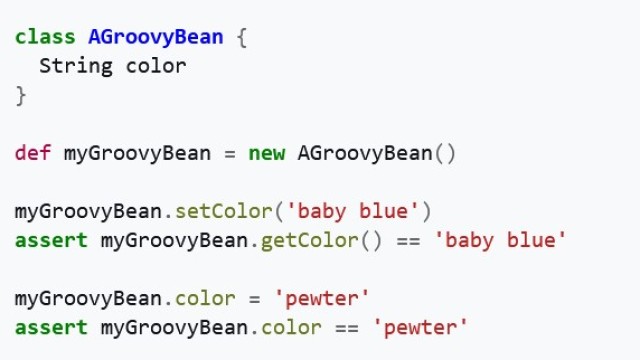 Groovy
Launched: 2003
-
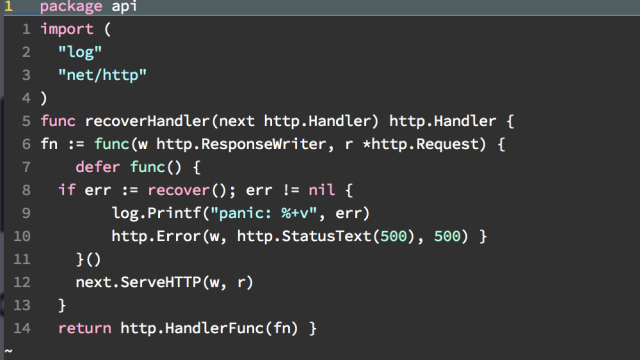 Go
Go
Launched: 2009
-
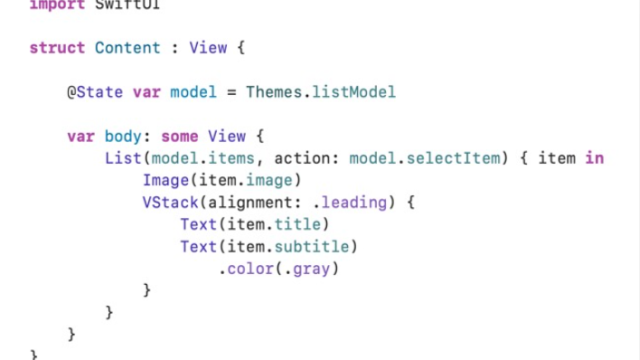 Swift
Swift
Launched: 2014


