Celebrities of computers world
These are the great figures in computing who shaped computers as we know them today.
Order by name o by birth date:
-
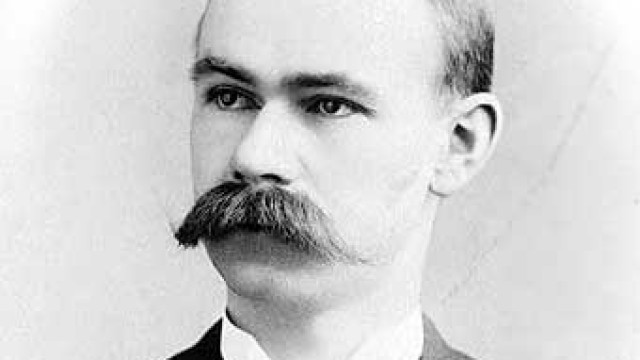 Herman Hollerith
1860 New York [USA]
† 1929
New York [USA]
† 1929
Herman Hollerith was a statistician who invented the punched-card tabulating machine.
He is considered the first computer scientist, that is, the first to achieve automatic data processing.
His invention of the punched-card tabulating machine marked the beginning of the era of automated data processing. -
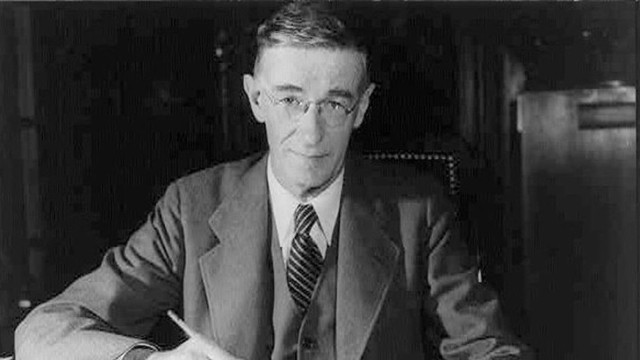 Vannevar Bush
1890
Everett [USA]
† 1974
He is best known for his ideal of the Memex (MEMory indEX), a mechanical storage device for books, recordings, and communications, with very simple, fast, and non-linear searches; the Memex was never developed, but it inspired the work of his successors, Douglas Engelbart, Ted Nelson, and later, Tim Berners Lee.
-
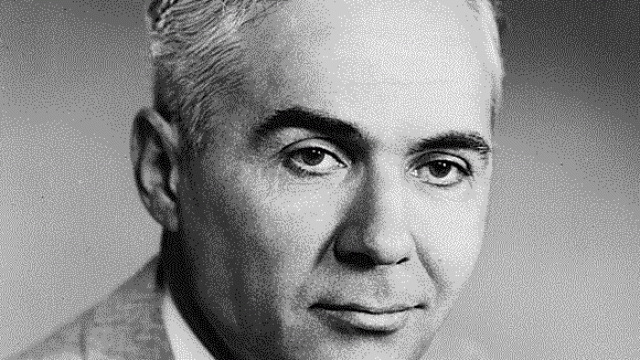 William Norris
1911
Nebraska [USA]
† 2006
He was the founding CEO of Control Data Corporation, which became one of the largest and most respected computer companies in the world.
-
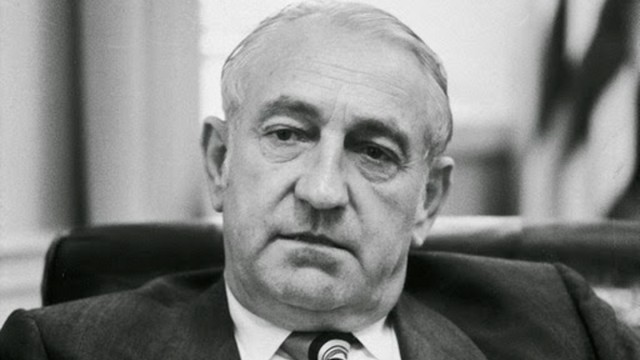 David Packard
1912
Town [USA]
† 1996
He was co-founder, along with Bill Hewlett, of the Hewlett-Packard company (HP).
-
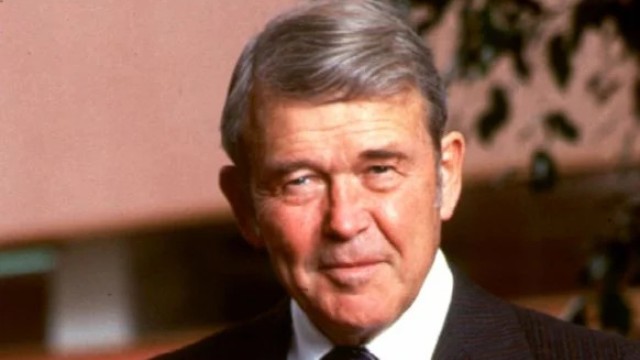 William Hewlett
1913
Michigan [USA]
† 2001
William Reddington Hewlett, the co-founder with David Packard of the Hewlett-Packard Company (HP).
-
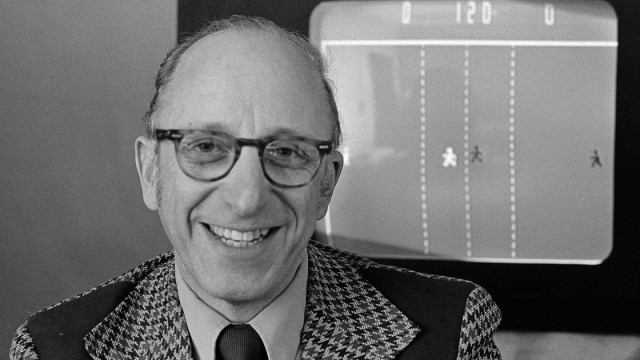 Ralph Baer
1922 Rodalben [Germany]
† 2014
Rodalben [Germany]
† 2014
Ralph Baer is popularly known as "the father of video games."
Born in Germany, his Jewish family moved to the United States fleeing the Holocaust when he was 16, where he would pursue his career. -
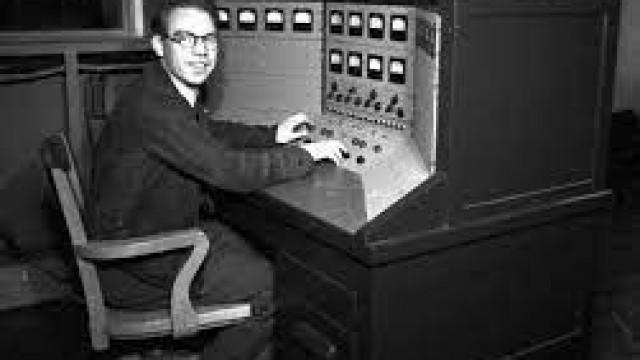 John Backus
1924
Philadelphia [USA]
† 2007
John Backus is the father of FORTRAN (an acronym for FORmula TRANslator), the first high-level programming language that had a major commercial impact.
He developed it at IBM with the intention of making it easier to program its calculators with a language more similar to the language of mathematics. -
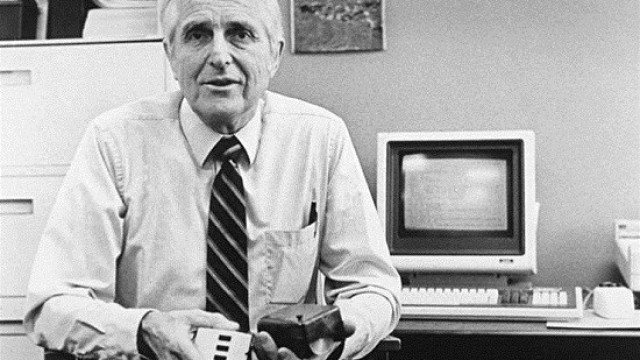 Douglas Engelbart
1925
Portland [USA]
† 2013
He is considered the father of the mouse, among many other contributions to modern computing.
-
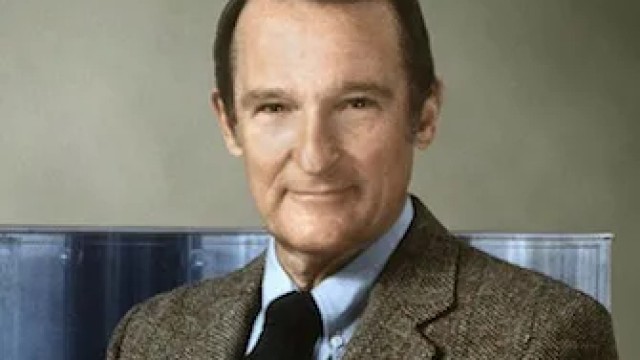 Seymour Cray
1925
Chippewa Falls [USA]
† 1996
Cray is known as the father of supercomputers because he designed a series of computers that were the fastest in the world for decades.
-
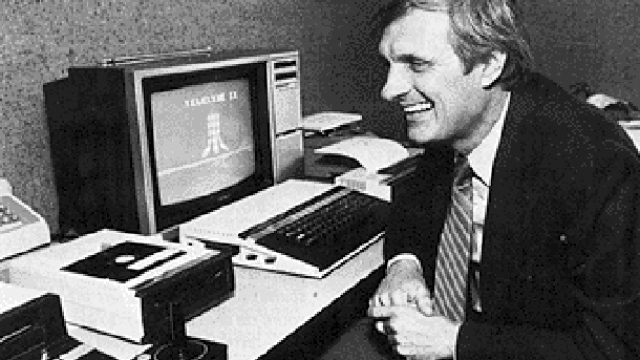 Ray Kassar
1928
New York [USA]
† 2017
Ray Kassar was an American businessman, Chairman and CEO of Atari from 1978 to 1983.
-
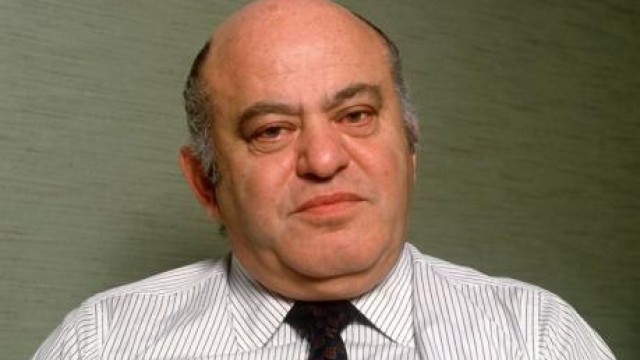 Jack Tramiel
1928 Lodz [Poland]
† 2012
Lodz [Poland]
† 2012
Polish-born American businessman, famous for founding Commodore International and later serving as CEO of Atari Corp.
-
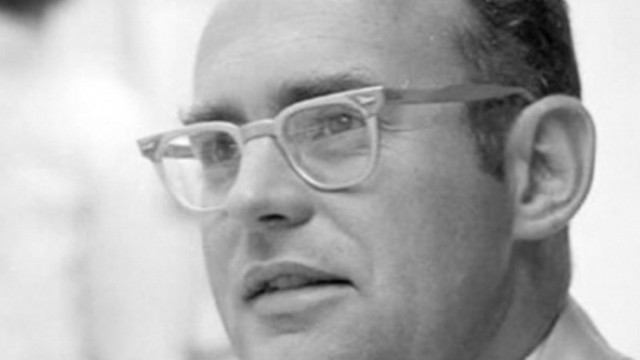 Gordon Moore
1929
San Francisco [USA]
† 2023
He was an American engineer and physicist, co-founder of Intel and author of Moore's Law.
-
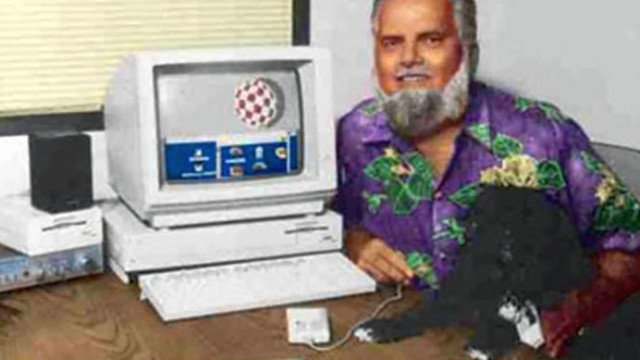 Jay Miner
1932
[USA]
† 1994
He was an integrated circuit designer, best known for developing multimedia chips for the Atari 2600 and Atari 8-bit families and as the "father of the Amiga".
-
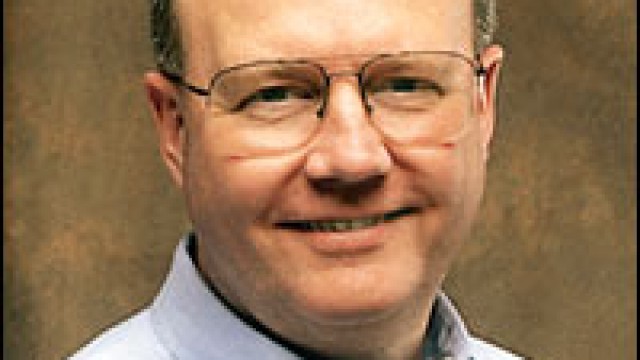 Jonathan Titus
1935
[USA]
In 1974, he designed the Mark-8, the first 8-bit microcomputer based on the Intel 8008 chip, which could be purchased as a kit for self-assembly.
Its publication in Radio-Electronics magazine demonstrated the editors' interest in microcomputers, and just six months later, in January 1975, they announced the Ed Roberts Altair 8800. -
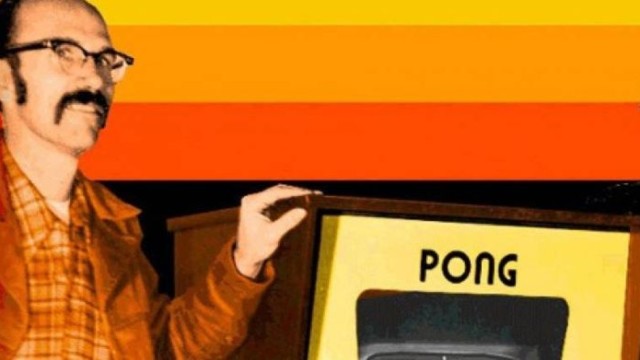 Ted Dabney
1937
San Francisco [USA]
† 2018
He was the co-founder of the Atari company, along with Nolan Bushnell.
-
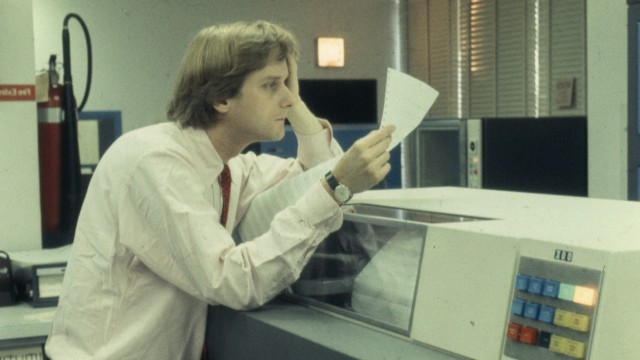 Ted Nelson
1937
Chicago [USA]
He is an American philosopher, sociologist, and information technology pioneer, known for coining the terms hypertext and hypermedia and for being the founder of the Xanadu project in the 1960s.
-
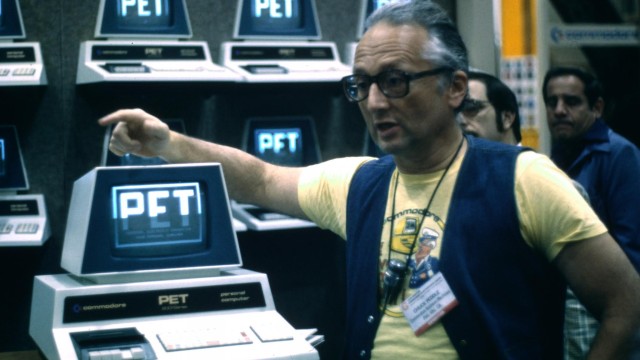 Chuck Peedle
1937
Bangor [USA]
† 2019
He was an American electronic engineer, main designer of the MOS Technology 6502 microprocessor, which equipped the KIM-1 microcomputer and its successor, the Commodore PET home computer.
-
 Stephen P. Morse
1940
New York [USA]
He was the chief architect of the Intel 8086 microprocessor, the first processor of the x86 architecture, which went on sale in 1978, and which served as the basis for its version with a reduced 8-bit bus for the IBM-PC and compatible computers.
-
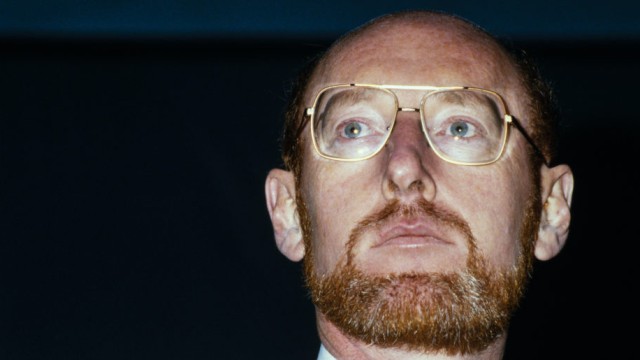 Clive Sinclair
1940 Richmond (London) [United Kingdom]
† 2021
Richmond (London) [United Kingdom]
† 2021
The inventor who set out to bring microcomputer technology to everyone, father of the hugely popular ZX Spectrum, the first computer on the market that families could afford.
-
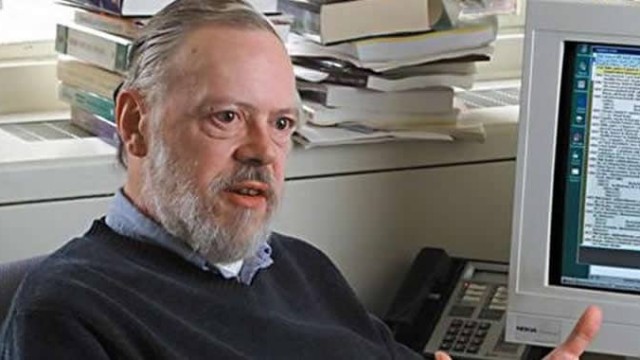 Dennis Ritchie
1941
Bronxville (New York) [USA]
† 2011
He was an American scientist who collaborated in the design and development of the Multics and Unix operating systems, and in the development of several programming languages such as C.
-
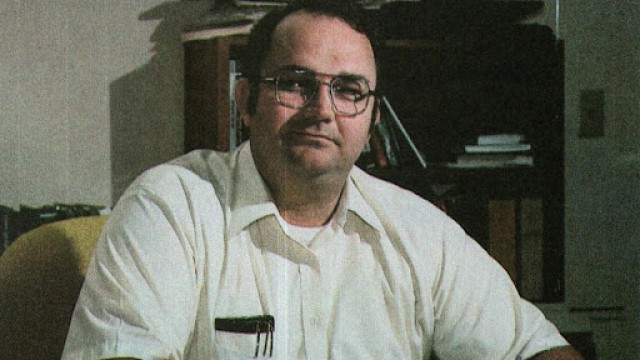 Ed Roberts
1941
Miami [USA]
† 2010
He developed the first commercially successful personal computer, the Altair 8800, which was featured on the January 1975 cover of Popular Electronics magazine and could be purchased as a kit from MITS (which he co-founded with Forrest Mims) for $397.
-
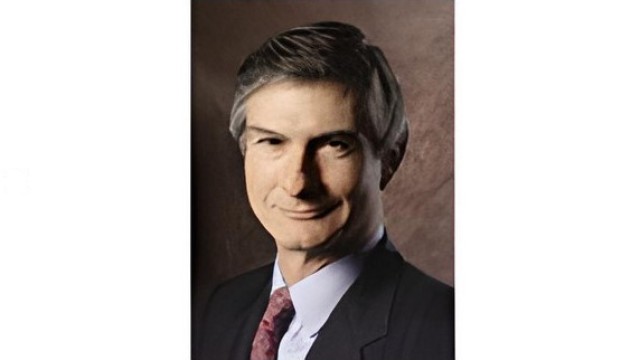 Larry Boucher
1942
[USA]
Larry Bouncher was the creator of the SCSI interface, originally developed at Shugart Associates, for transferring data between different devices on a computer bus.
It was standardized in 1986 and is commonly used on the Commodore Amiga and some Apple models. -
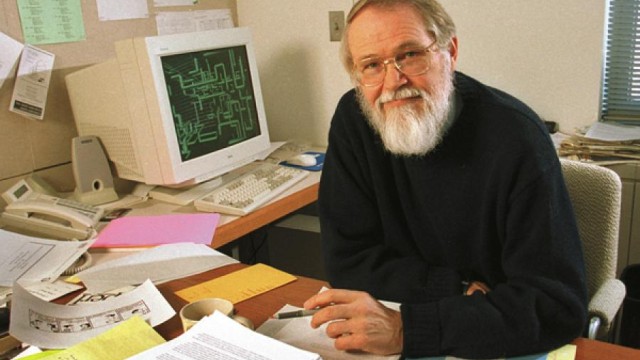 Brian Wilson Kernighan
1942 Toronto [Canada]
He is world-renowned for being one of the pioneering programmers who developed the Unix operating system kernel alongside Dennis Ritchie and Ken Thompson. He is also known as the father of the B programming language, the basis for the C programming language.
-
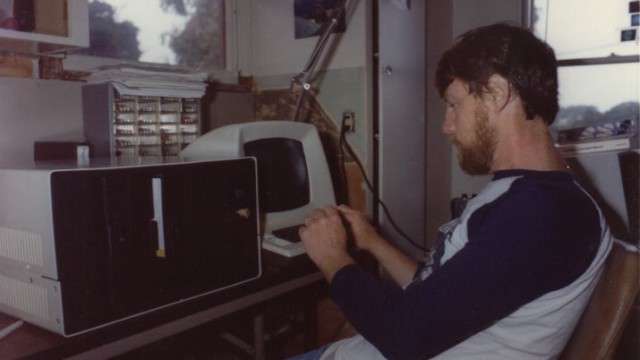 Gary Kildall
1942
Seattle [USA]
He was the creator of the CP/M operating system and founder of Digital Research, Inc., which refused to license the rights to its operating system to IBM, instead opting for Microsoft's DOS operating system, which would end up pushing it out of the market.
Paradoxically, years later, his company, Digital Research, released a version of DOS called DR-DOS, at the end of the operating system's lifespan, which enjoyed some success. -
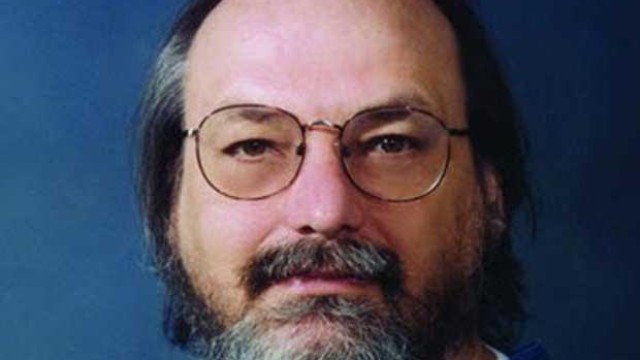 Ken Thompson
-
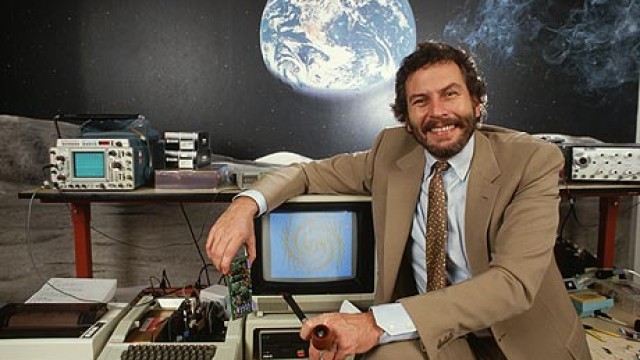 Nolan Bushnell
1943
Clearfield [USA]
The electronic engineer who founded Atari with Ted Dabney at the age of 29.
-
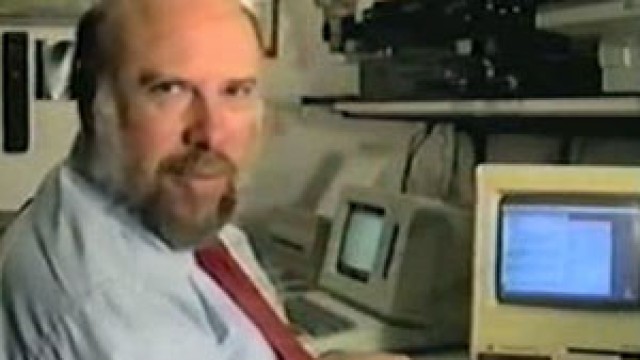 Jef Raskin
1943
New York [USA]
† 2005
User interface designer. He is best known for founding the Macintosh project for Apple Computer in the late 1970s and for the Canon Cat computers for the Japanese company Canon, which were designed for the word processing market.
-
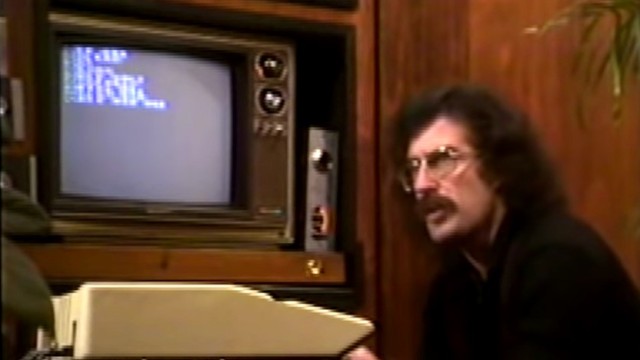 John Draper
1943
[USA]
Known as Captain Crunch, he is an American programmer and phreaker, known within hacker culture for his research into telephone operation in the early 1970s, which allowed him to make long-distance calls for free.
He is well-known in the programming and cybersecurity worlds and often leads a nomadic lifestyle. -
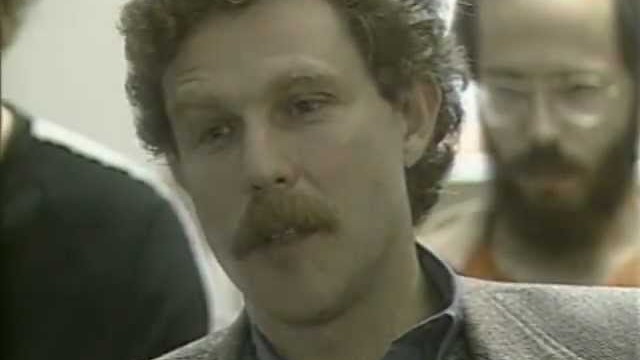 Andrew Fluegelman
1943
[USA]
† 1985
He was an editor, programmer, and lawyer, known as a pioneer of what is now known as the shareware business model for software marketing.
He was also the founding editor of PC World and Macworld and a leader of the New Games movement of the 1970s, which advocated for non-competitive game development.
-
 Paul Lutus
1945
Cambridge [USA]
He is the author of the word processor "Apple Writer".
-
 Alan Sugar
1947
Hackney (London) [United Kingdom]
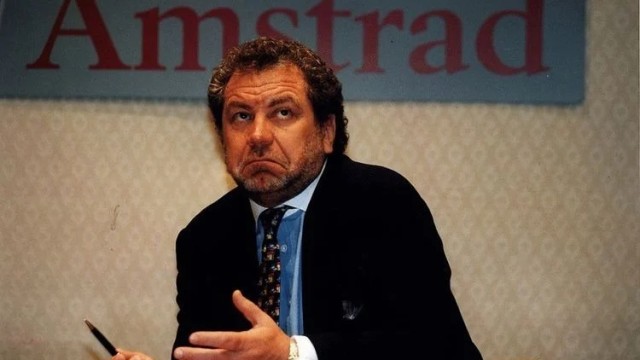
Sugar founded Amstrad (Alan Michael Sugar Trading) in 1968. It began as an importer/exporter and general wholesaler, but soon specialized in consumer electronics, eventually manufacturing its own products.
In 1984, recognizing the opportunity of the personal computing era, Amstrad launched the Amstrad CPC 464, an 8-bit machine that competed with machines like the Commodore 64 and the popular Sinclair ZX Spectrum. -
 Terry Colligan
1947
[USA]
† 2018
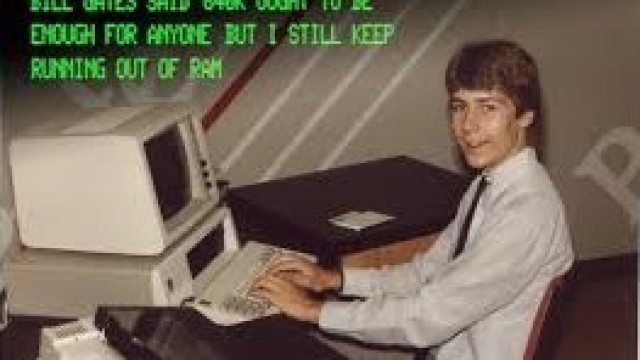
Terrance Colligan was the founder of Rational Systems (later renamed Tenberry Software), which, among other things, developed the DOS extender DOS/16M (for 16-bit systems) and DOS/4G (for 32-bit systems). This extension would be remembered for its DOS/4GW version included with Watcom compilers, which would eventually become an industry standard.
There was also a DOS/4GX for Quarterdeck's DESQview/X.
This allowed programs that took advantage of the new processors' real mode to run, even though DOS ran in protected mode for backward compatibility.
-
 Bob Frankston
1949
New York [USA]
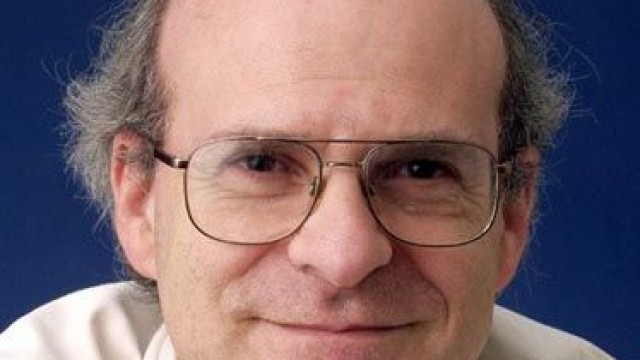
Creator of the famous VisiCalc spreadsheet along with Dan Bricklin that boosted sales of the Apple II computer.
-
 Steve Wozniak
-
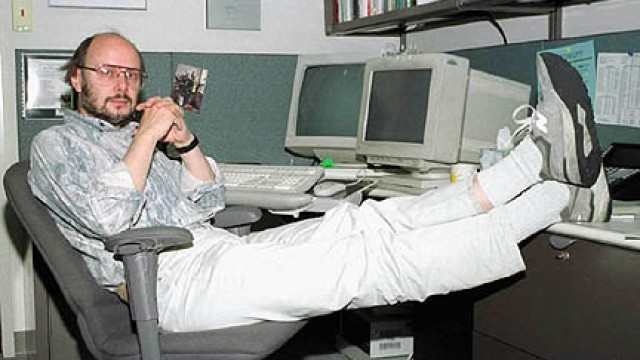 Bjarne Stroustrup
1950 Aarhus [Denmark]
Professor of Computer Science at Texas A&M University, known for developing the C++ programming language.
-
 Steven Levy
1951
Philadelphia [USA]
He is an American journalist who writes about computing, technology, cryptography, the Internet, computer security, and privacy.
He has published articles on the subject in Newsweek magazine, to which he contributes regularly.
He is the author of Hackers (1984) and Insanely Great: The Life and Times of Macintosh, the Computer That Changed Everything (1994), among other books. -
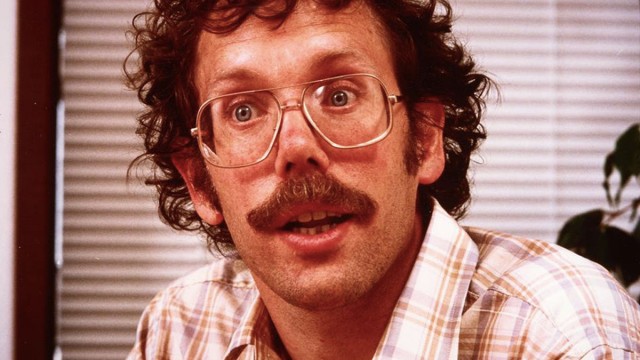 Bill Atkinson
1951
[USA]
† 1951
He was a prominent employee of Apple Computer, in charge of part of the graphical interface.
-
 Dan Bricklin
1951
Philadelphia [USA]
Dan Bricklin and Bob Frankston are the authors of the famous Visicalc software. The first version of Visicalc was developed for the Apple II; many believe the success of the latter was due to this combination.
-
 Philippe Kahn
1952 Paris [France]
Kahn is one of the four founders of Borland, created in 1983 when young Danish programmer Anders Hejlsberg reached an agreement with Philip Khan to sell the Pascal compiler that Anders had created for personal computers. Turbo Pascal was a compiler with an “environment” concept that was revolutionary at the time.
The company would be acquired by Micro Focus in 2009.
Then came:
Starfish Software, founded in 1994 (acquired by Motorola in 1998), LightSurf Technologies, founded in 1998 (acquired by VeriSign in 2005),
and Fullpower Technologies, founded in 2003. -
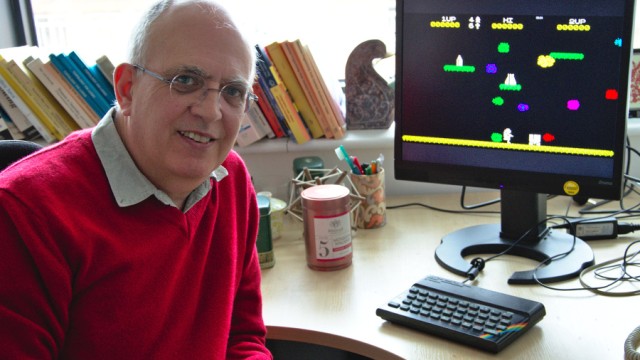 Steve Vickers
1953
[United Kingdom]
He wrote Sinclair BASIC for the ZX80, while working for Nine Tiles, and the ROM firmware and manuals for the Sinclair ZX81 and later the ROM for the Sinclair ZX Spectrum, as well as helping with user documentation, while at Sinclair.
-
 Dave DiOrio
1953
[USA]
† 2018
Designer of the integrated circuits that came with the Commodores.
-
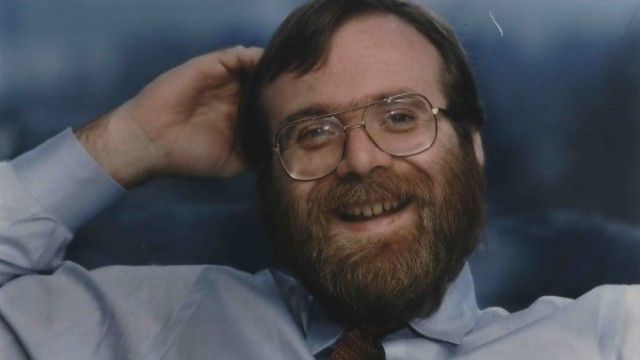 Paul Allen
-
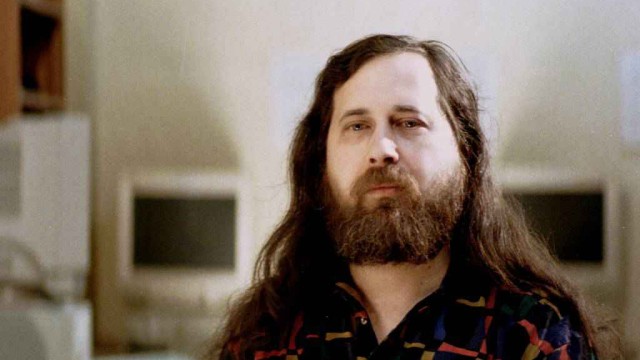 Richard Stallman
1953
New York [USA]
The MIT hacker and founder of the free software movement and the Free Software Foundation.
-
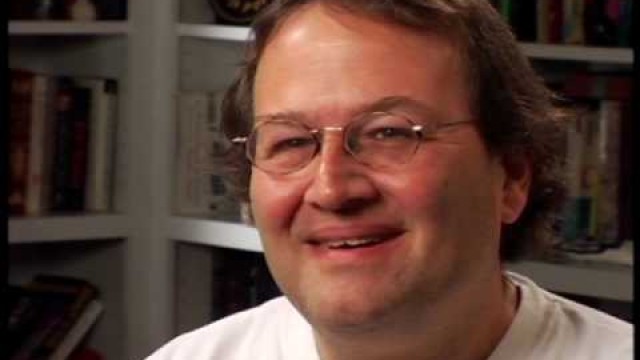 Andy Hertzfeld
1953
Philadelphia [USA]
After purchasing an Apple II in January 1978, he joined Apple Computer from August 1979 to March 1984, where he was a software designer for the Macintosh system.
-
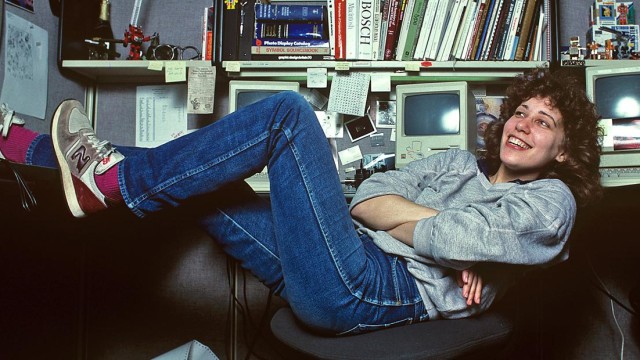 Susan Kare
1954
Ithaca [USA]
She was the graphic designer who created many of the elements of the Apple Macintosh graphical interface in the 1980s.
-
 Michael Sperberg-McQueen
1954
[USA]
C. Michael Sperberg-McQueen is an American markup language specialist. He was co-editor of the Extensible Markup Language (XML) 1.0 spec (1998) and chair of the XML Schema working group.
-
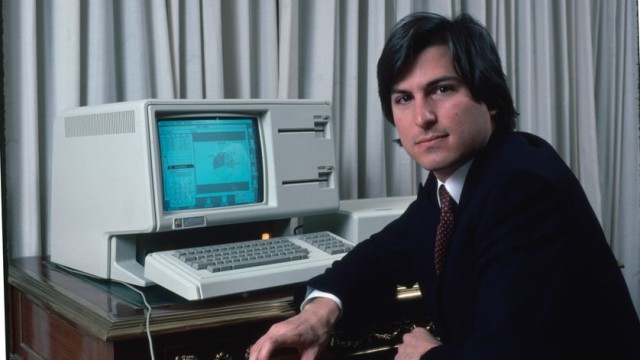 Steve Jobs
1955
San Francisco [USA]
† 2011
Steve Jobs was the co-founder and CEO of Apple, which he founded in 1976 with a childhood friend, Steve Wozniak, and with the help of Jobs's former Atari colleague, Ronald Wayne, in his garage.
-
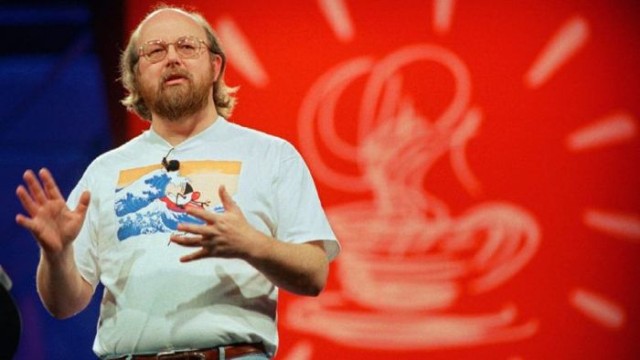 James Gosling
1955
Calgary [Canada]
Father of the Java programming language.
-
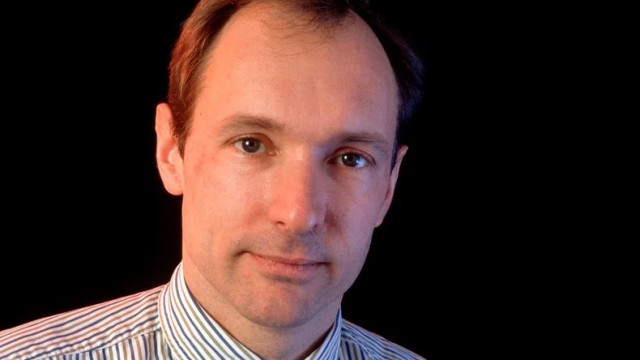 Tim Berners-Lee
-
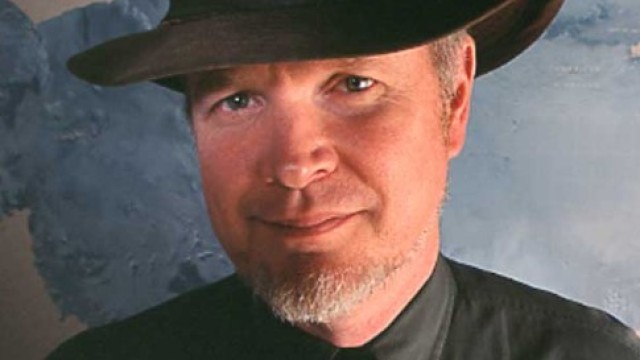 Tim Bray
-
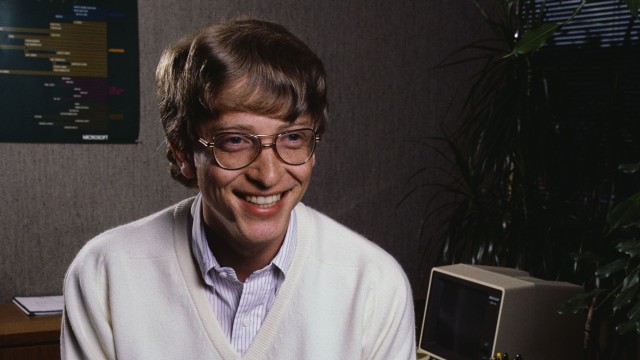 Bill Gates
1955
Seattle [USA]
Bill Gates is a computer industry magnate, founder, along with Paul Allen, of the Microsoft company.
-
 Burrell Smith
1955
[USA]
The hardware engineer who designed the original Macintosh motherboard.
-
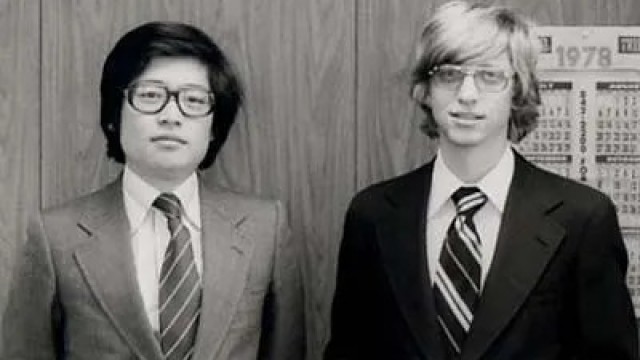 Kazuhiko 'Kay' Nishi
-
 Tim Paterson
1956
[USA]
Tim Paterson was the creator of the QDOS operating system, which was an adaptation of CP/M (at that time the most common operating system for 8-bit computers) to the 8086 chip from Intel, which was acquired by Microsoft to be used as the operating system for the IBM PC with the name PC DOS, and which would later be widely known as MS-DOS. Microsoft also commissioned him to port the system to MSX computers, creating MSX-DOS.
-
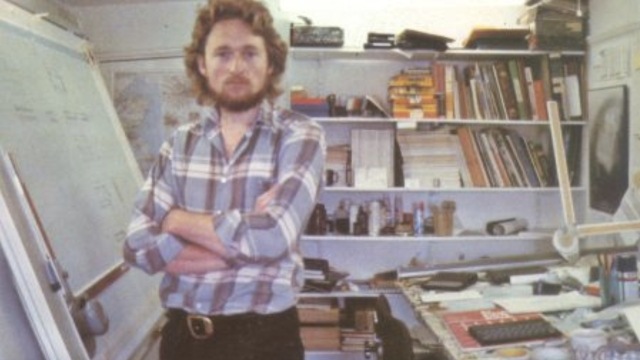 Rick Dickinson
1957
[United Kingdom]
† 2018
Rick Dickinson was the industrial designer working at Sinclair who designed the cases for the ZX80, ZX81 and Sinclair QL, as well as the distinctive rubber keypad for the ZX Spectrum.
-
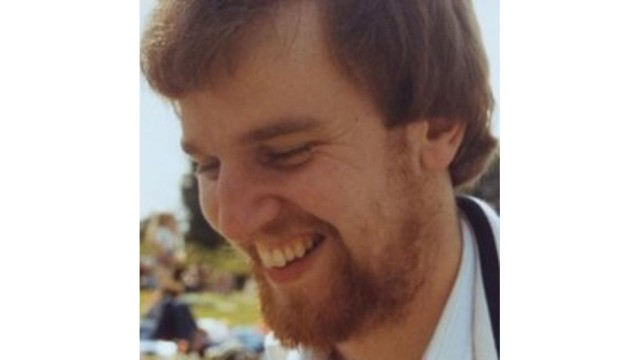 Richard Altwasser
1957
[United Kingdom]
Engineer responsible for the hardware design of the ZX Spectrum.
-
 Brent Townshend
1960
Toronto [Canada]
The inventor and electrical engineer who created the concept for 56k modems in 1996.
These modems, which operated in the voice frequency band, were capable of download speeds of up to 56,000 bits per second.
Initially, there were two competing modem systems: K56flex and X2.
By the late 1990s, 56k modems were the most popular method of personal Internet access.
The characteristic sounds emitted by these modems were not, as with previous generations, a modulated signal of the data being transferred, but rather the data being transferred.
Communications were beginning to shift from analog to digital. -
 Anders Hejlsberg
1960
Copenhagen [Denmark]
In 1983, while working at Borland, Anders developed Turbo Pascal, a development IDE that integrated a compiler for the Pascal programming language. He later became the principal architect of Delphi. In 1996, he was hired by Microsoft, where he led the development of the J++ programming language. He is credited with creating the C# programming language (C Sharp) and has been the principal architect of the team developing this language since 2000. In 2012, Hejlsberg led the development of TypeScript, Microsoft's open source programming language.
-
 Michael Z. Land
1961
Boston [USA]
Mivchael Land is an American electronic musician and composer known for his compositions for several video games produced by LucasArts.
His first work was for The Secret of Monkey Island, but he wasn't entirely satisfied with the synchronization of the music with the game, and began working on the iMUSE interactive music system, which would be used to create subsequent games in the Monkey Island series and other LucasArts titles. -
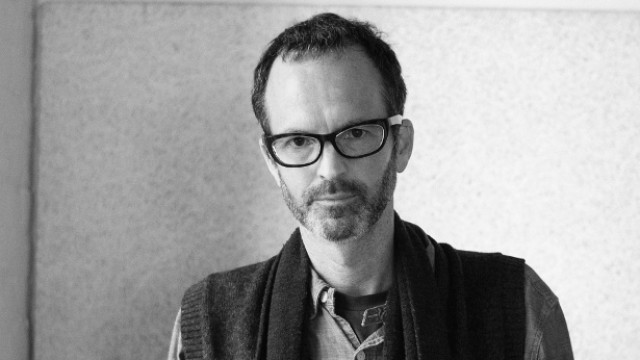 Hillman Curtis
1961
San Diego [USA]
† 2012
He stood out as a web designer and a pioneer in the use of Macromedia Flash Player, which for many years was an intrinsic part of the most advanced web pages.
-
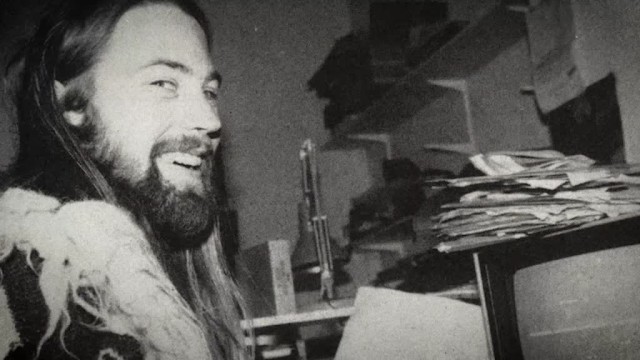 Jeff Minter
1962
Reading [United Kingdom]
Jeff Minter (often called Yak) is an English video game designer and programmer, founder of the software company Llamasoft, and has created dozens of games throughout his career, which began in 1981 with games for the ZX80.
Minter's games are shoot 'em ups that contain references in the title or gameplay that demonstrate his fondness for ruminants (llamas, sheep, camels, etc.).
Many of his programs also contain psychedelic elements, as in some of the early "light synthesizer" programs, such as Trip-a-Tron.
Minter's works include the music visualization program Neon (2004), integrated into the Xbox 360 console, and the video games Gridrunner, Attack of the Mutant Camels, Tempest 2000, and Polybius. -
 Kevin Mitnick
1963
Van Nuys [USA]
The most famous hacker of all time.
-
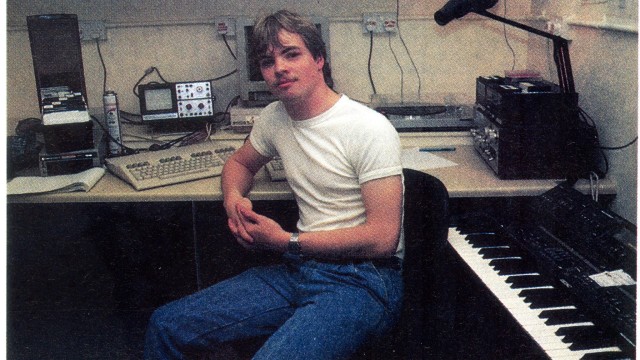 Martin Galway
1966
Belfast [United Kingdom]
He is one of the most famous and prestigious composers of music for the Commodore 64's SID sound chip.
His best-known works include Arkanoid, Wizball, and Green Beret, as well as numerous melodies used during game loading, such as those developed by Ocean Software. -
 Jony Ive
1967
London [United Kingdom]
The English industrial designer was hired by Apple to design its new laptop in September 1992, following Steve Jobs' return to the company.
He was responsible for the design of the iMac, Power Mac G4 Cube, iPod, iPhone, iPad, MacBook, and parts of the iOS user interface. -
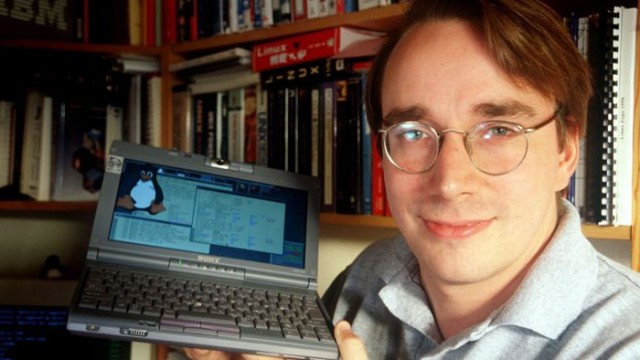 Linus Torvalds
1969 Helsinki [Finland]
He is a Finnish software engineer, pioneer programmer and creator of the Linux Kernel in 1991.
-
 Marc Andreessen
1971
Cedar Falls [USA]
Co-author of Mosaic, one of the first web browsers with a graphical interface. And co-founder of Netscape Communications Corporation.
-
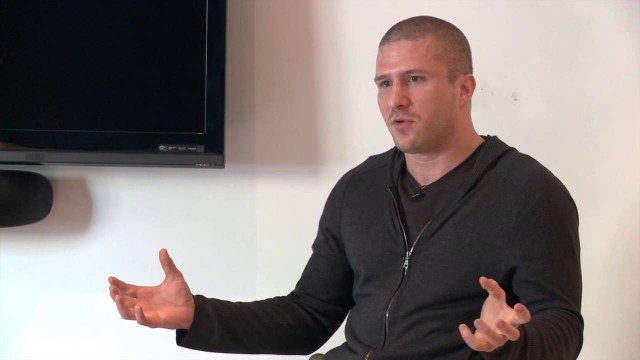 Shawn Fanning
1980
Brockton [USA]
He was the programmer who created Napster, one of the first massively popular peer-to-peer programs for sharing files on the Internet, in 1999. Its popularity was such that it led him to appear on the cover of Time magazine.
-
 Jean Paoli
3000 Beirut [Lebanon]
Jean is co-editor of the XML standard and co-created with Jon Bosak (and others) the W3C XML Working Group in July 1996.
 Kobe [Japan]


