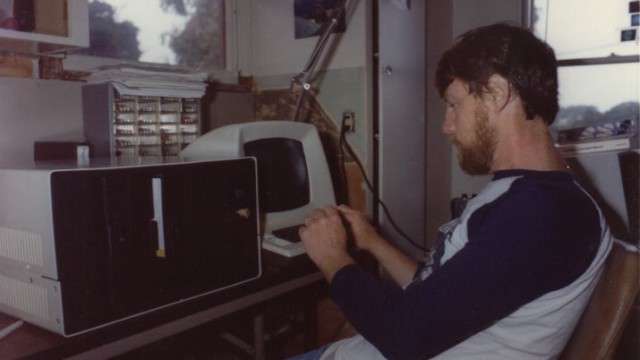
Gary Kildall
1942  Seattle [USA]
He was the creator of the CP/M operating system and founder of Digital Research, Inc., which refused to license the rights to its operating system to IBM, instead opting for Microsoft's DOS operating system, which would end up pushing it out of the market.
Paradoxically, years later, his company, Digital Research, released a version of DOS called DR-DOS, at the end of the operating system's lifespan, which enjoyed some success.
He also developed PL/M, the first high-level programming language for microprocessors, and the language in which the CP/M operating system was originally developed. Many Intel-based embedded systems and the Zilog Z80 were programmed in PL/M.
He also worked in popular science and from 1983 to 1990 co-hosted the television program Computer Chronicles on PBS. The program discussed computing and cyber trends, chronicling the rise of the personal computer from its inception to a major market.
Contemporary computing celebrities to Gary Kildall
-
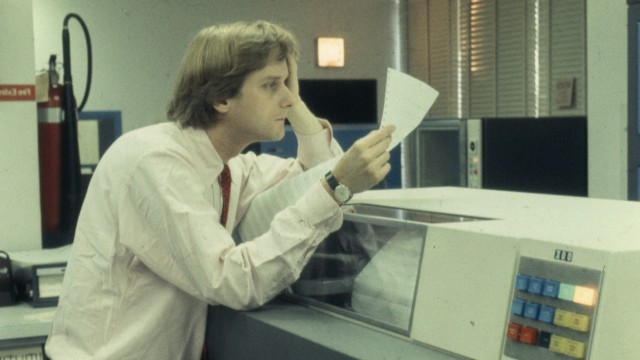 Ted Nelson
1937
Chicago [USA]
He is an American philosopher, sociologist, and information technology pioneer, known for coining the terms hypertext and hypermedia and for being the founder of the Xanadu project in the 1960s.
-
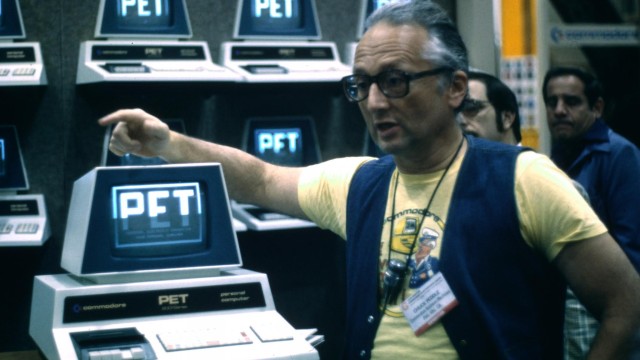 Chuck Peedle
1937
Bangor [USA]
† 2019
He was an American electronic engineer, main designer of the MOS Technology 6502 microprocessor, which equipped the KIM-1 microcomputer and its successor, the Commodore PET home computer.
-
 Stephen P. Morse
1940
New York [USA]
He was the chief architect of the Intel 8086 microprocessor, the first processor of the x86 architecture, which went on sale in 1978, and which served as the basis for its version with a reduced 8-bit bus for the IBM-PC and compatible computers.
-
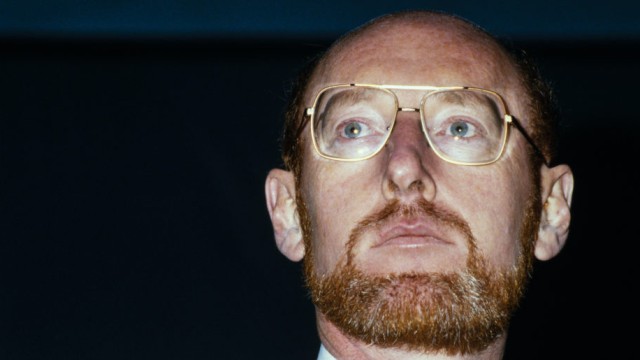 Clive Sinclair
1940 Richmond (London) [United Kingdom]
† 2021
Richmond (London) [United Kingdom]
† 2021
The inventor who set out to bring microcomputer technology to everyone, father of the hugely popular ZX Spectrum, the first computer on the market that families could afford.
-
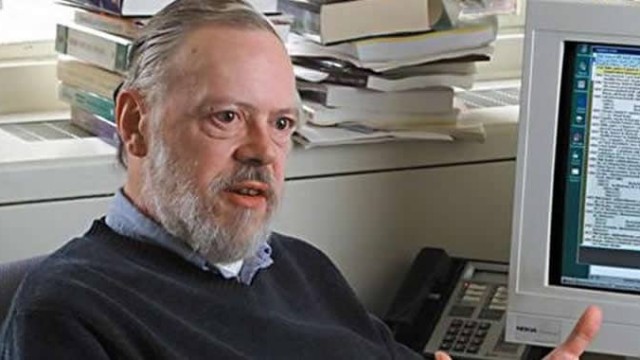 Dennis Ritchie
1941
Bronxville (New York) [USA]
† 2011
He was an American scientist who collaborated in the design and development of the Multics and Unix operating systems, and in the development of several programming languages such as C.
-
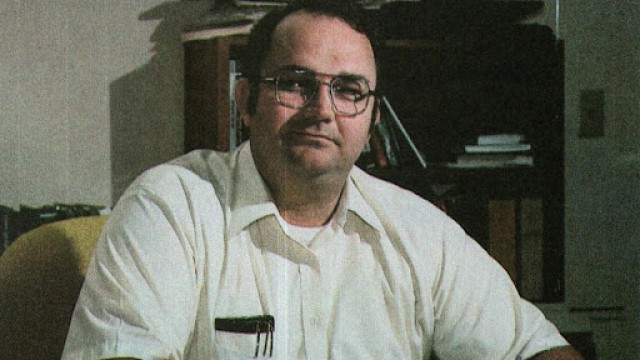 Ed Roberts
1941
Miami [USA]
† 2010
He developed the first commercially successful personal computer, the Altair 8800, which was featured on the January 1975 cover of Popular Electronics magazine and could be purchased as a kit from MITS (which he co-founded with Forrest Mims) for $397.
-
 Larry Boucher
1942
[USA]
Larry Bouncher was the creator of the SCSI interface, originally developed at Shugart Associates, for transferring data between different devices on a computer bus.
It was standardized in 1986 and is commonly used on the Commodore Amiga and some Apple models. -
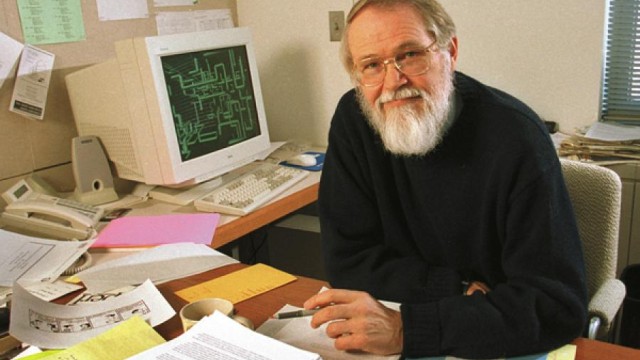 Brian Wilson Kernighan
1942 Toronto [Canada]
He is world-renowned for being one of the pioneering programmers who developed the Unix operating system kernel alongside Dennis Ritchie and Ken Thompson. He is also known as the father of the B programming language, the basis for the C programming language.
-
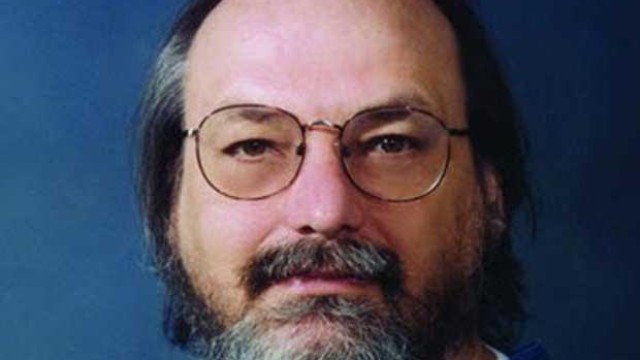 Ken Thompson
-
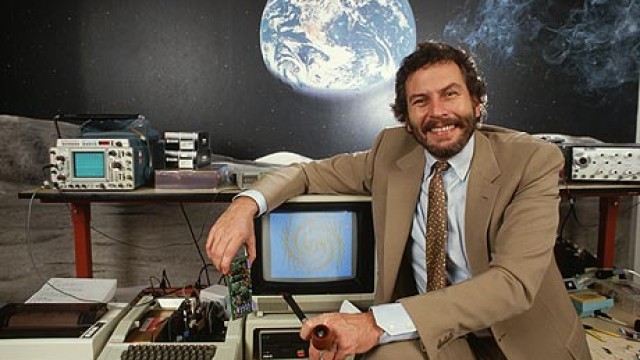 Nolan Bushnell
1943
Clearfield [USA]
The electronic engineer who founded Atari with Ted Dabney at the age of 29.
-
 Jef Raskin
1943
New York [USA]
† 2005
User interface designer. He is best known for founding the Macintosh project for Apple Computer in the late 1970s and for the Canon Cat computers for the Japanese company Canon, which were designed for the word processing market.
-
 John Draper
1943
[USA]
Known as Captain Crunch, he is an American programmer and phreaker, known within hacker culture for his research into telephone operation in the early 1970s, which allowed him to make long-distance calls for free.
He is well-known in the programming and cybersecurity worlds and often leads a nomadic lifestyle. -
 Andrew Fluegelman
1943
[USA]
† 1985
He was an editor, programmer, and lawyer, known as a pioneer of what is now known as the shareware business model for software marketing.
He was also the founding editor of PC World and Macworld and a leader of the New Games movement of the 1970s, which advocated for non-competitive game development.
-
 Paul Lutus
1945
Cambridge [USA]
He is the author of the word processor "Apple Writer".
-
 Alan Sugar
1947
Hackney (London) [United Kingdom]
Sugar founded Amstrad (Alan Michael Sugar Trading) in 1968. It began as an importer/exporter and general wholesaler, but soon specialized in consumer electronics, eventually manufacturing its own products.
In 1984, recognizing the opportunity of the personal computing era, Amstrad launched the Amstrad CPC 464, an 8-bit machine that competed with machines like the Commodore 64 and the popular Sinclair ZX Spectrum.


