Personal Computer Museum

PersonalComputerMuseum.com

Legacy computer software

Computers would be useless without the programs that allow us to do things with them. Some programs were so useful to users that they helped sell computers, as was the case with the spreadsheets included with the first Apple computers.

Many dominated the market as cutting-edge products, only to be relegated until their disappearance, replaced by other market leaders better suited to the technological advances required by users.
Developed by: VisiCorp (Dan Bricklin & Bob Frankston)
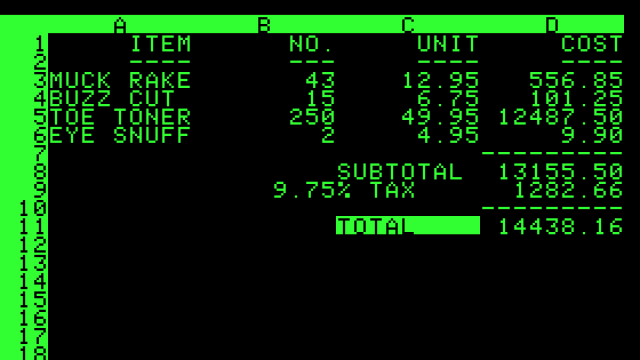
Launched: 1978

VisiCalc (so named because it stands for "visible calculator") was the first spreadsheet program available for personal computers. It is often credited as the application that transformed the computer from a hobby for computer enthusiasts into a powerful business tool.

Developed by: MicroPro Internacional (Rob Barnaby, Jim Fox)
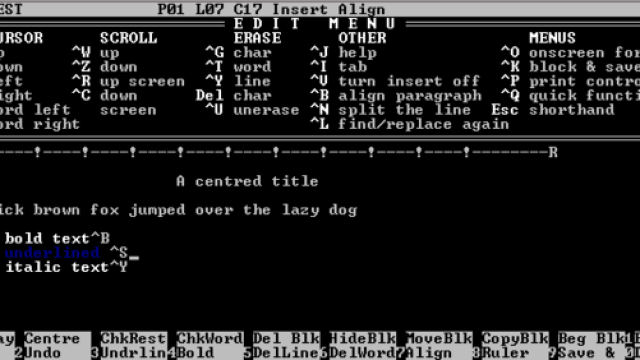
Launched: 1978

The veteran WordStar word processor was already available on CP/M operating systems.
WordStar 3.0 was the first version released for the DOS operating system in April 1982.
By the mid-1980s, WordStar had become the most popular word processor in the world.


Developed by: Brigham Young University / Satellite Software International (SSI)
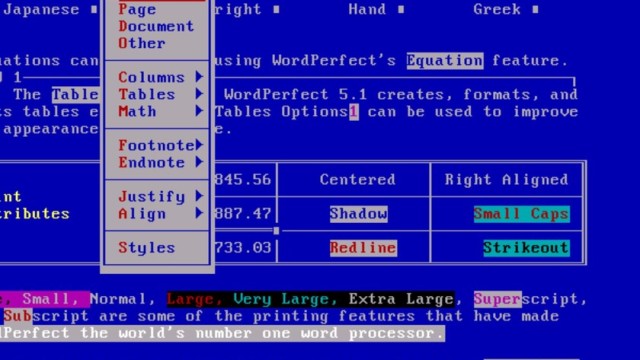
Launched: 1979

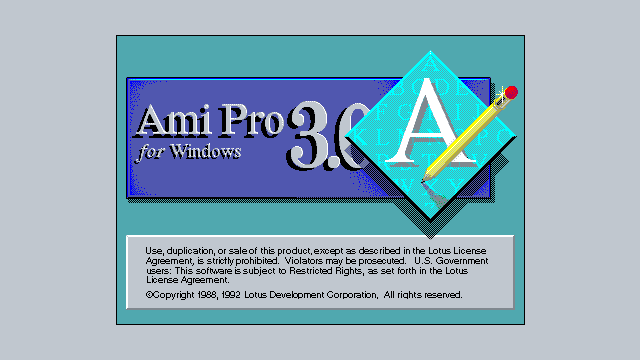
Between the 1980s and 1990s, WordPerfect was considered the standard for word processors. Its preeminent position was secured with the arrival of graphical windowing environments, first with the fleeting leadership of AmiPro and later with the supremacy of Word.
It became available for a wide variety of different computers and operating systems, including DOS, Windows, Mac OS, OS/2, Linux, Apple II, the most popular versions of Unix, VMS, Data General, System/370, AmigaOS, and Atari ST.


Developed by: Ashton-Tate
Launched: 1979

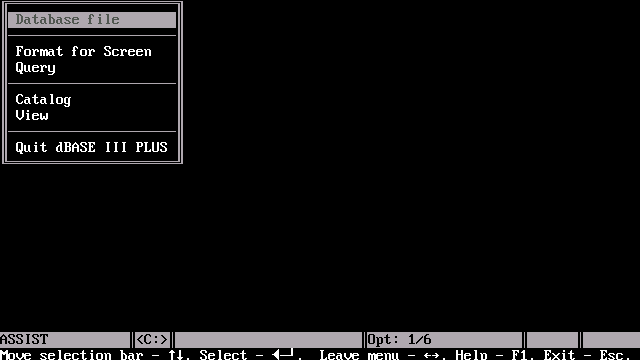
dBase was the first widely used database management system for microcomputers.
Its first versions were for the CP/M operating system, and later for the Apple II, Apple Macintosh, UNIX, VMS,1​, and IBM PC systems under DOS.
The dBase III version was widely used on office computers running DOS, serving as the basis for many businesses as a management system through custom software development.


Developed by: Peter Norton Computing (John Socha)
Launched: 1982

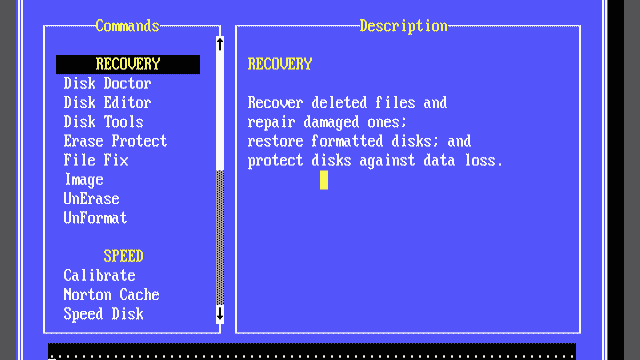
Norton Utilities was a collection of small programs that allowed you to do things that the DOS operating system commands didn't allow.
It arose from Peter Norton's need to recover a mistakenly deleted file.
He later added other small utility programs, which he compiled into a package he called Norton Utilities.


Developed by: Autodesk
Launched: 1982

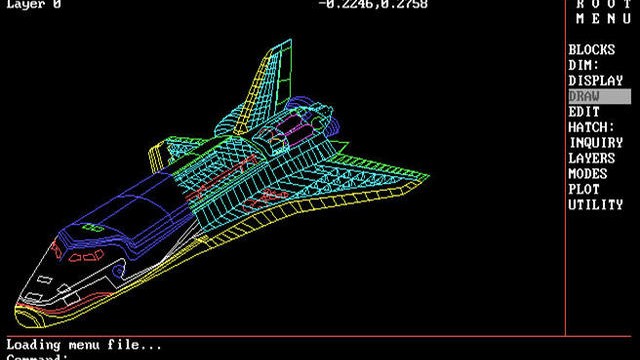
The most famous computer-aided design software.

More ↓


Developed by: Traveling Software (Mark Eppley)
Launched: 1983

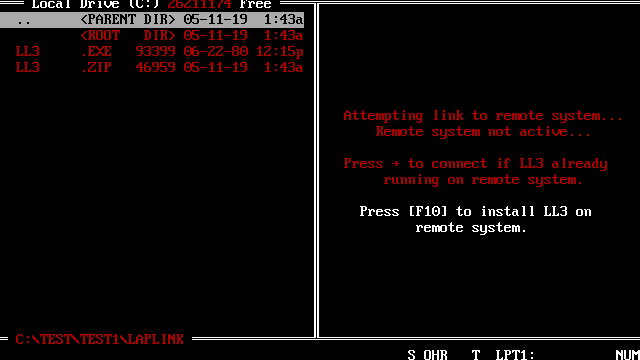
The program became very popular because it allowed files to be transferred between two computers using a cable connected to their serial or parallel ports, without the need for a network connection, at a time when it was not common for computers to have one.

More ↓


Developed by: (Andrew Fluegelman)
Launched: 1983

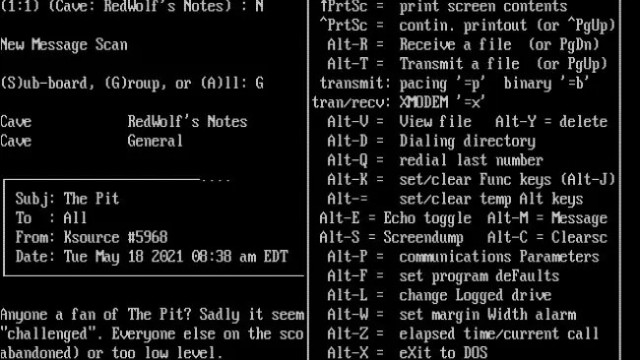
PC-Talk was a popular communications software program written by Andrew Fluegelman in late 1983.

More ↓


Developed by: Lotus Development Corporation
Launched: 1983

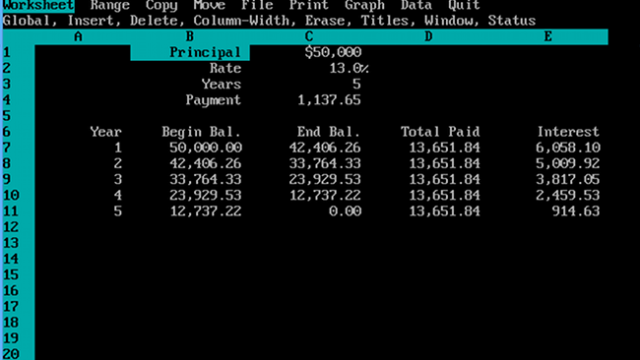
The spreadsheet developed by the defunct American company Lotus (which was later acquired by IBM) can be considered the first killer application for IBM PCs.
The immense popularity it achieved in the mid-1980s significantly contributed to consolidating the success of IBM PCs in the corporate and office environment.


Developed by: ZSoft Corporation
Launched: 1984

PC Paintbrush was a graphics editing program created by ZSoft Corporation in 1984 for computers with the MS-DOS operating system.

More ↓


Developed by: Borland (Philippe Kahn)
Launched: 1984

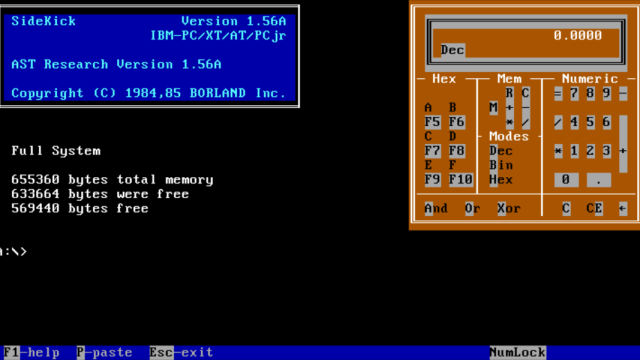
This was a personal information manager (PIM) type program for MS-DOS that stayed resident (TSR) and allowed computer users to activate the program using a hotkey combination (default: Ctrl - Alt) while working in other programs.

More ↓


Developed by: Mouse Systems (John Bridges & Doug Wolfgram)
Launched: 1984

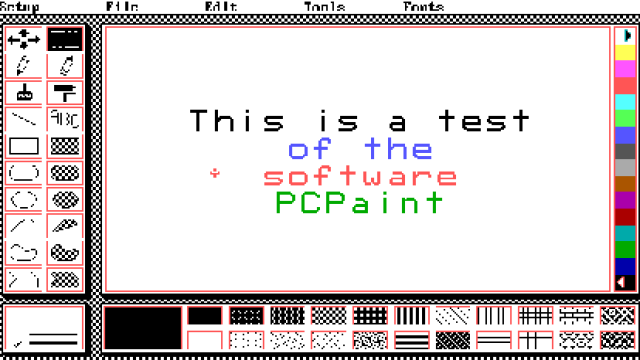
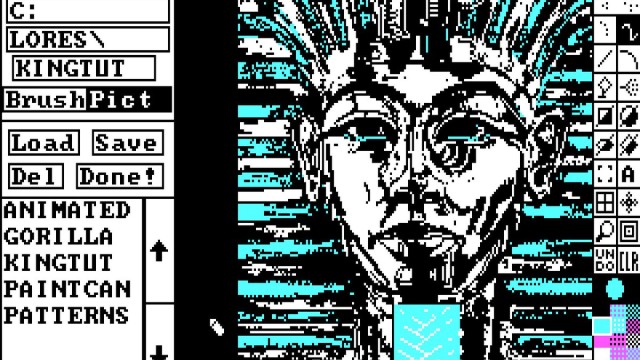
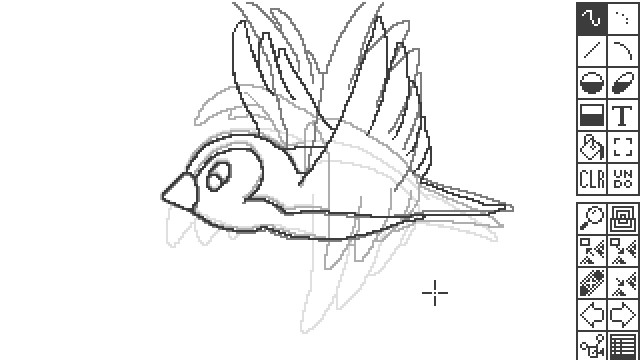
PCPaint was the first mouse-based graphical drawing program for the IBM PC.
It was developed by John Bridges and Doug Wolfgram.
It later became Pictor Paint.

Hardware manufacturer Mouse Systems included PCPaint in millions of mice it sold, making PCPaint the best-selling DOS-based drawing program of the late 1980s.

More ↓


Developed by: Aston-tate (Robert Carr)
Launched: 1984

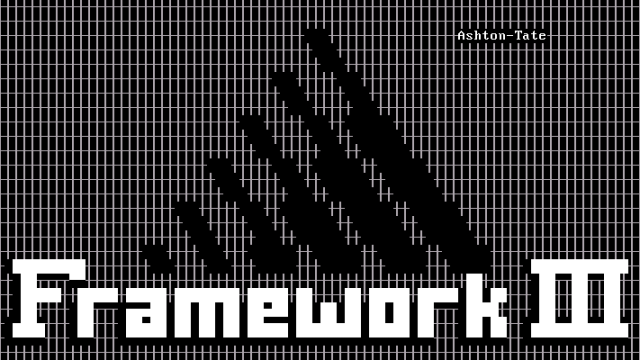
Framework was the first office suite running the DOS operating system that integrated a word processor, a spreadsheet, a database, and the ability to connect remotely via modem into a single environment.
The Framework III version was widely used in office environments in the 1980s.


Developed by: Aldus Corporation
Launched: 1985

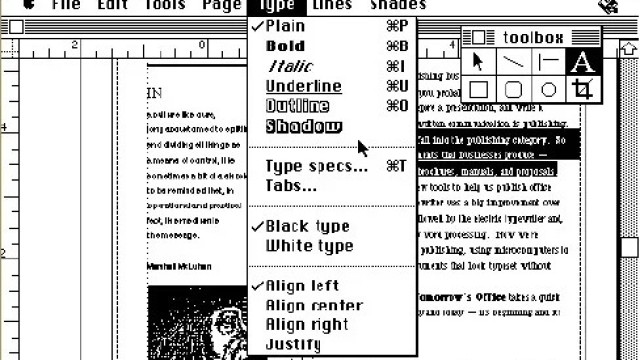
PageMaker is a page layout software application.

More ↓


Developed by: IBM
Launched: 1985

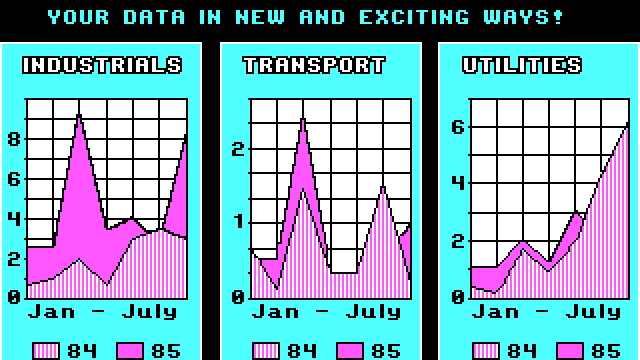
IBM Storyboard is a presentation, graphics, and animation program that was part of IBM's standard office products during the 1980s. First released in 1985, version 1.00 was only compatible with the IBM PC with CGA graphics. Later versions, including Storyboard Plus and Storyboard Live, added EGA and VGA support and video capture.
It competed with slideshow programs such as Show-Partner FX.


Developed by: Brøderbund
Launched: 1985

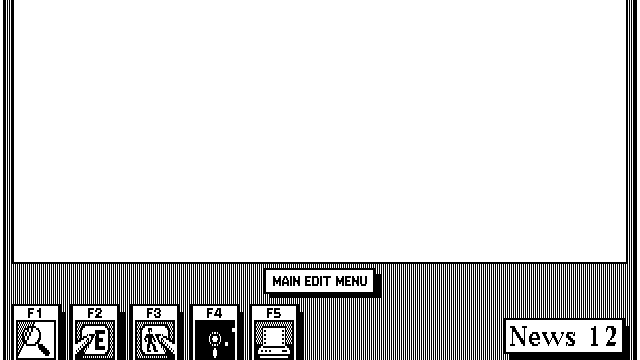
In the days of DOS, this program allowed you to make full-page posters, covers, and calendars.

More ↓


Developed by: The SemWare Corporation
Launched: 1985

The lightweight text-based editor that was distributed in shareware format.


Developed by: Datastorm Technologies (Bruce Barkelew y Thomas Smith)
Launched: 1985

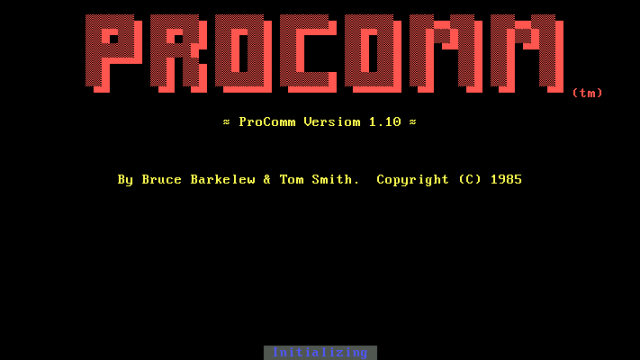
Procomm was a program for remote computer connection via modem, created by Bruce Barkelew and Thomas Smith in 1985. They later founded PIL Software Systems to market it.

The program enjoyed widespread popularity, as it was distributed under a shareware license.

It also has the merit of being one of the first to support the Remote Imaging Protocol (RIP), which allowed the use of a graphics terminal. It overcame the ANSI escape codes of most systems, which only allowed one character mode in 16 colors.

More ↓


Developed by: Peter Norton Computing (John Socha)
Launched: 1985

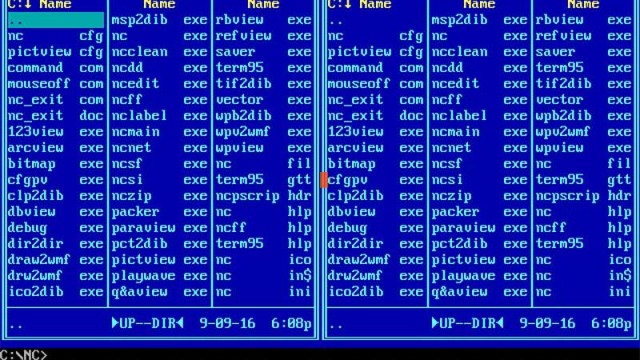
The famous DOS file manager that allowed you to manage files and directories using a text interface without having to go to the DOS operating system's command line.


Developed by: Crosstalk Communications
Launched: 1985

Crosstalk was a PC communications program developed by Crosstalk Communications, which included terminal emulation, multiport support, and a powerful scripting language called CASL (Crosstalk Application Scripting Language).


Developed by: Electronic Arts
Launched: 1985

Originally released for the Commodore 1000, this bitmap editing program was so successful that version 2 was ported to GEM, Apple GS/OS, and MS-DOS.
It became the go-to program for video game development in the 1990s.


Developed by: Software Publishing Corporation
Launched: 1986

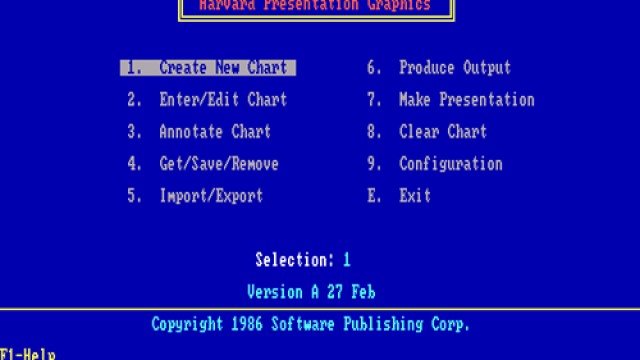
It was one of the first computer applications that allowed users to create highly impressive presentations and effects, incorporating text, graphics, and flowcharts into slide presentations.


Developed by: Unison World
Launched: 1986

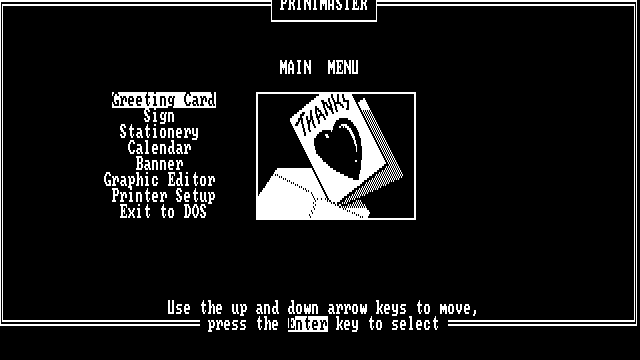
Born as an evolution of Print Master, this version of the program already supported EGA screens.


Developed by: Central Point Software
Launched: 1986

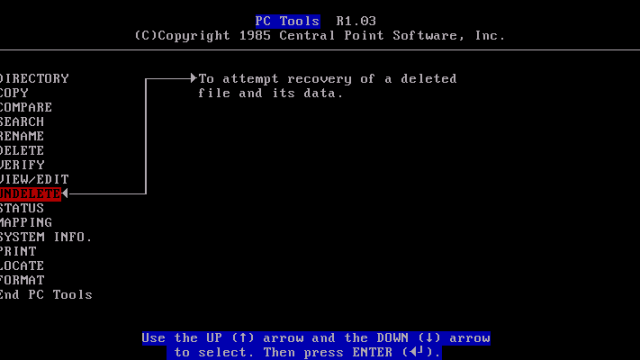
Initially developed for the Apple II in 1981, under the name Copy II plus, this system tools program was very popular in MS-DOS, in its version 1.0 of 1986.


Developed by: (Colin Sampaleanu)
Launched: 1986

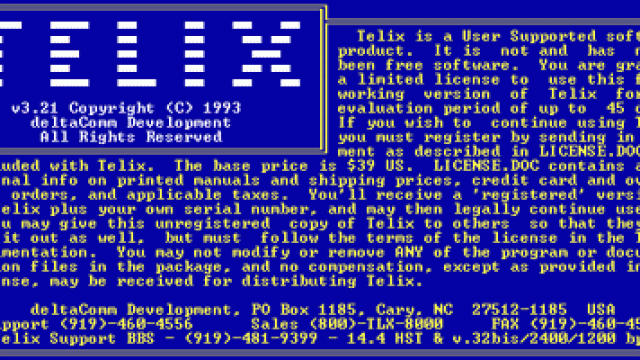
Telix is ​​a shareware telecommunications software for MS-DOS, written by Colin Sampaleanu in 1986. It was used to connect to bulletin boards via a traditional telephone line.
It is considered one of the most popular programs of the late 1980s and early 1990s.

More ↓


Developed by: Samna
Launched: 1987

The first word processor for Windows with modern features.

More ↓


Developed by: Comwell Systems
Launched: 1987

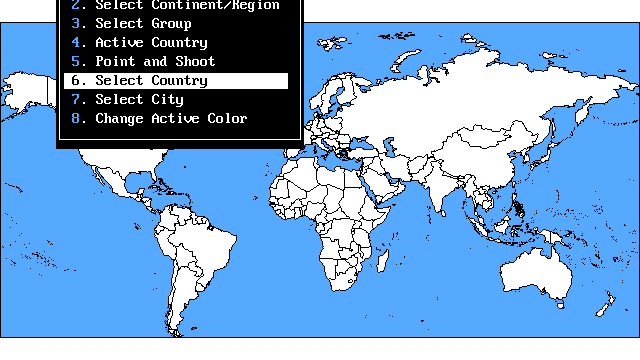
PC Globe was an educational software created in 1987 by Comwell Systems Inc, which offered information on 177 countries, originally for the MS-DOS platform, and later for Windows 3.X, Macintosh, and Atari ST.

More ↓


Developed by: McAfee
Launched: 1988

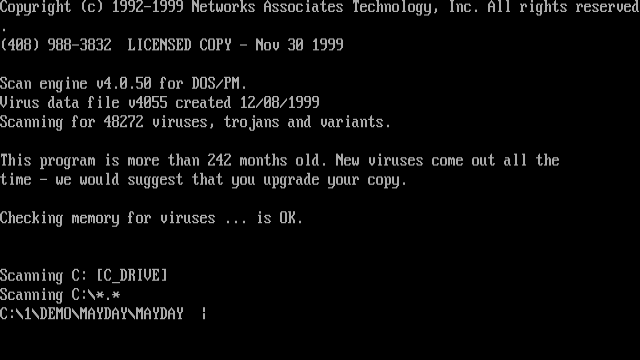
McAfee Viruscan is the most famous antivirus program created by Silicon Valley cybersecurity pioneer John McAfee.

More ↓


Developed by: Microsoft
Launched: 1988

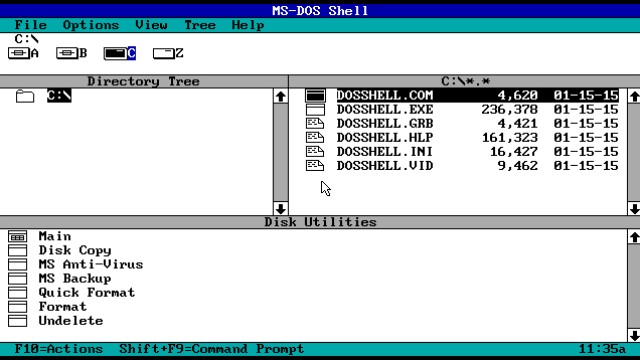
DOS Shell was the graphical file manager included in Microsoft's DOS operating systems. It shared features common to other file managers, such as copying, moving, and renaming files, as well as the ability to "launch" applications with a double-click.
It also allowed the ability to customize colors and styles.

More ↓


Developed by: Aldus Corporation
Launched: 1988

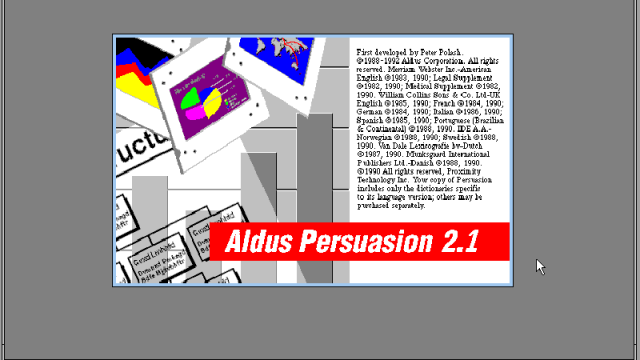
It was a presentation program developed for the Mac OS platform by Aldus Corporation.

More ↓


Developed by: Christopher Schardt and Dane Bigham
Launched: 1989

This popular program allowed large posters to be printed on continuous-form printers, becoming a standard for home signage.
Available for IBM PC, Apple II, and Mac.


Developed by: Autodesk
Launched: 1989

The program from the prestigious Autodesk company became the most popular 2D animation tool.


Developed by: PKWare (Phil Katz)
Launched: 1989

The famous file compressor, whose format is still used today.
Its compression routine, written in assembler, made it very fast.
And it allowed for greater compression than its predecessor, ARC.


Developed by: JP Software (Rex C. Conn, Tom Rawson)
Launched: 1989

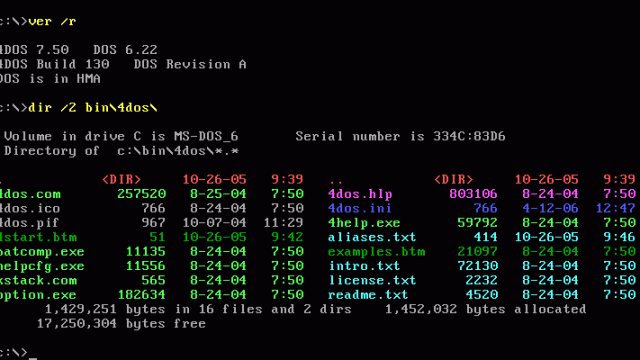
4DOS is a command line interpreter that replaces command.com and adds many new features.

More ↓


Developed by: Disney
Launched: 1990

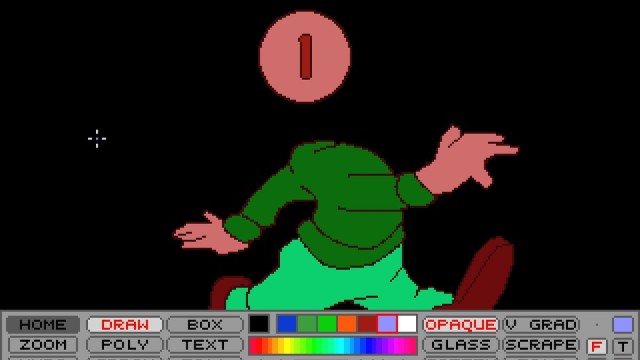
Disney Animation Studio was a graphics animation tool, originating on the Amiga and later for DOS, that supported multiple VGA resolutions.

More ↓


Developed by: Dr.David's Super Crispy Software (David Perrell)
Launched: 1990

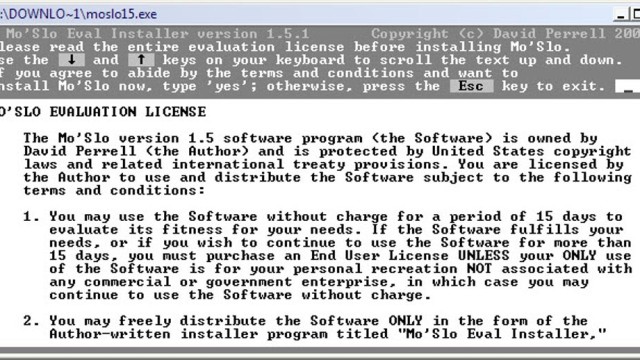
Mo'Slo is a program that allows you to slow down certain programs (especially games) that, with the change to the higher power of the Intel 80386 and Intel 80486 processors, became unplayable due to the speed at which they ran.


Developed by: Delrina (Tony Davis)
Launched: 1990

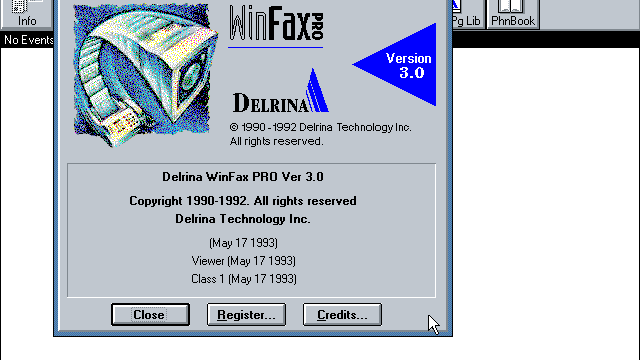
This popular program allowed you to send and receive faxes in Windows, MS-DOS and Mac OS.


Developed by: Robert K. Jung
Launched: 1990

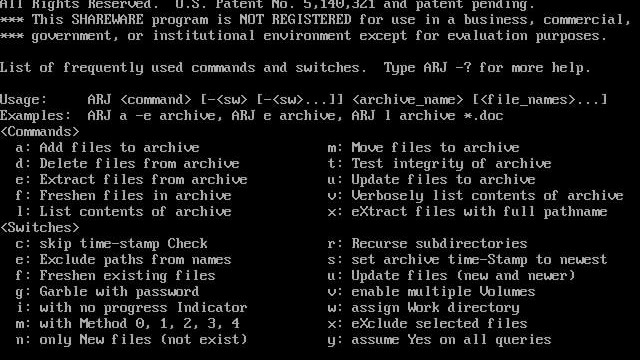
The file compression application created by Robert K. Jung that allowed users to reduce storage space and transfer speed when connecting to BBSs in the early to mid-1990s.

More ↓


Developed by: TouchStone Software Corporation
Launched: 1990

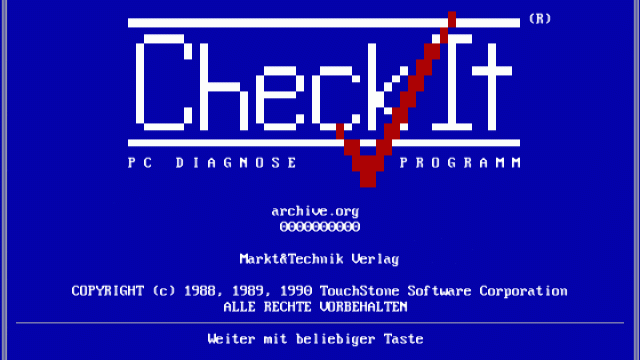
The widely used PC diagnostic software in MS-DOS.


Developed by: Autodesk
Launched: 1990

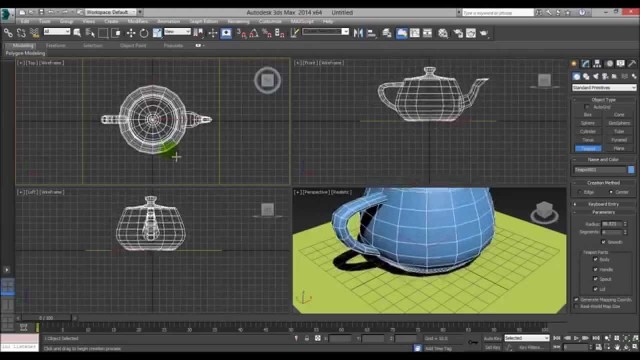
Professional 3D animation software for DOS, originally, which was later ported to Windows.


Developed by: Psi
Launched: 1990

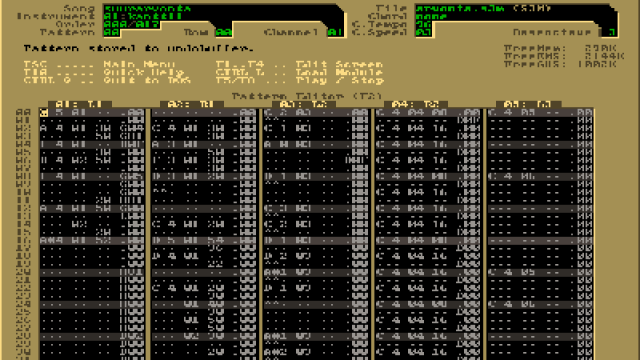
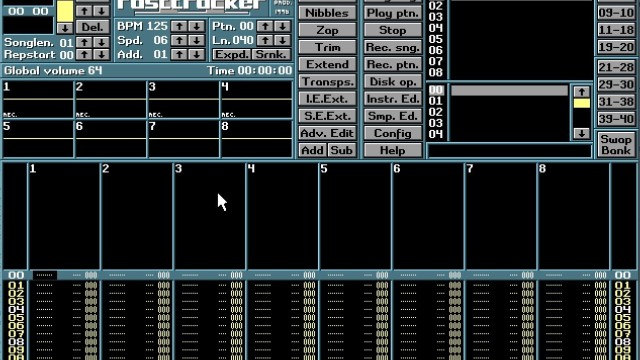
Programmed by Psi (Sami Tammilehto) of the Finnish demoscene group Future Crew, it was the precursor to the Scene Tracker, and its graphical interface inspired many subsequent trackers.
Its most popular version, 2.2, was released in 1990.


Developed by: Adobe
Launched: 1990

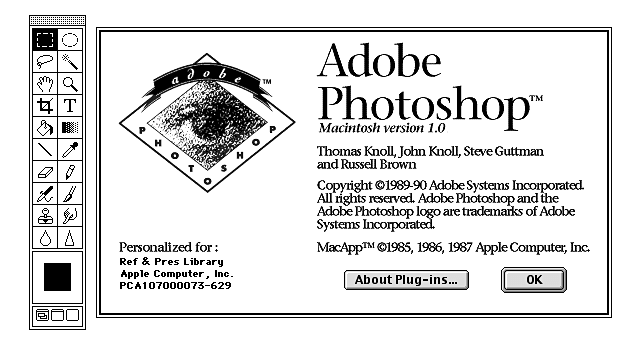
Adobe Systems released a raster graphics editor called Photoshop 1.0. The program was only available for the Macintosh platform (Mac System 6.0.3) and required at least 2 MB of RAM and an 8 MHz processor to run.


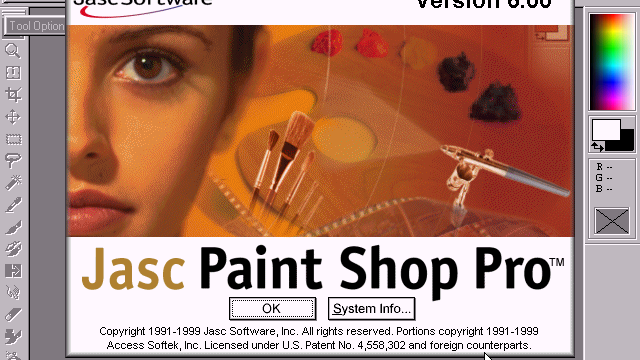
Developed by: Jasc Software
Launched: 1990

This program, distributed in its first versions as Shareware, was the great competitor of PhotoShop, at a much lower price.


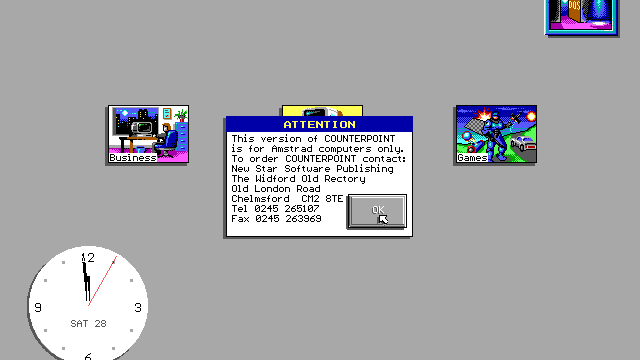
Developed by:
Launched: 1991

The Counterpoint program launcher was supplied with the Amstrad PC5086 and other Amstrad PCs of the time.
It acts as an easy-to-use front-end, replacing the full GUIs (Windows 2.0, or GEM) supplied with previous Amstrad models.

More ↓


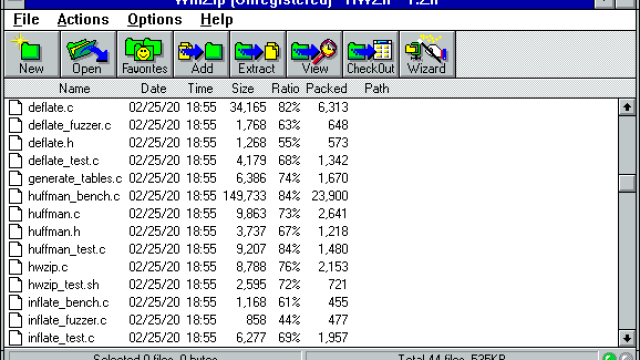
Developed by: WinZip Computing
Launched: 1991

This popular trialware brought ZIP file compression to the Windows platform.
Initially, it was just a graphical interface, requiring PKZIP, but later it could perform compression and decompression functions on its own.


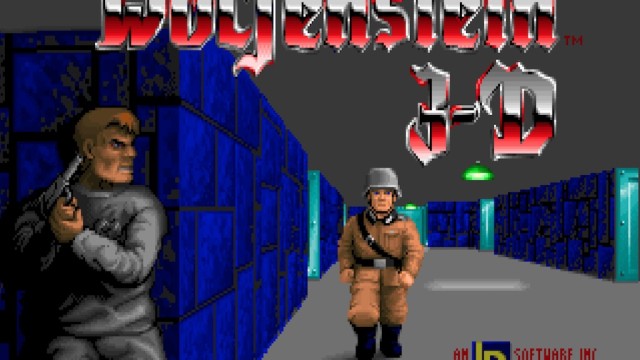
Developed by: ID Software
Launched: 1992

The pioneering first-person shooter for PCs, when they lacked 3D capabilities, set a milestone that would later give rise to Doom and Quake.

Created by ID Software and distributed by Apogee Software, it would later be ported to other systems such as the 3DO, SNES, Gameboy Advance, and Spectrum, among others.

More ↓


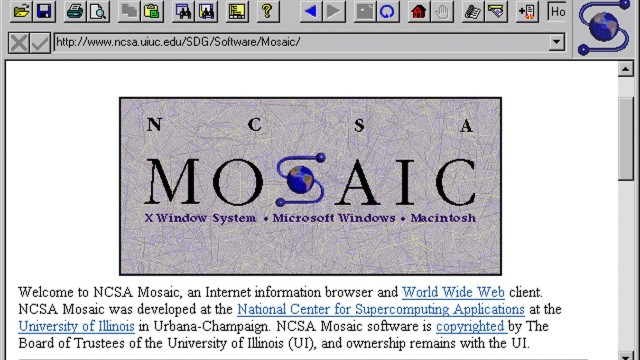
Developed by: NCSA (Marc Andreessen  & Eric Bina)
Launched: 1992

NCSA Mosaic was the first web browser with a graphical interface, for Unix, Mac and Windows, and enjoyed great popularity on the nascent Internet.


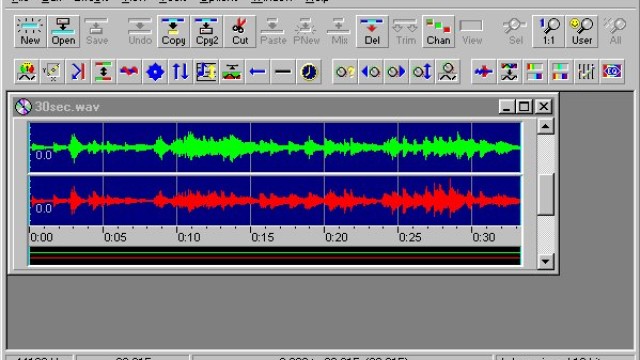
Developed by: GoldWave
Launched: 1993

The widely used audio editing program on Windows systems.


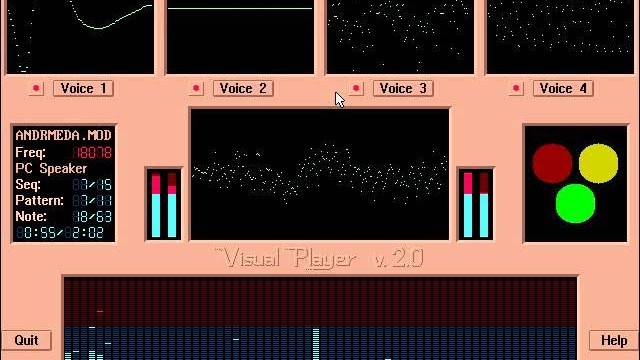
Developed by: (Luis Crespo)
Launched: 1993

Visual Player 2 was a popular .MOD music tracker file player distributed as shareware.
It was developed by Luis Crespo, who implemented the audio functions; Hector Martinez, who created the graphics; and Luis Huveda, who created the GUI.


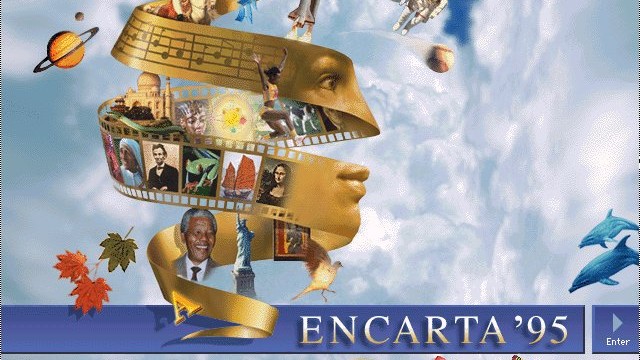
Developed by: Microsoft
Launched: 1993

Microsoft Encarta was a multimedia encyclopedia that, in its Spanish version, contained 43,000 articles.
This massive work was distributed on CDs and included full-color photos and even videos.

More ↓


Developed by: (Ciriaco García de Celis)
Launched: 1993

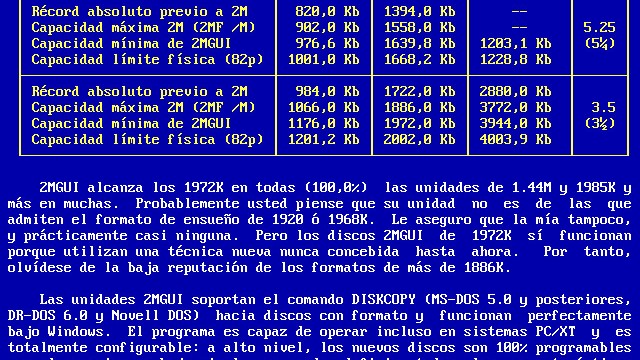
2M is a tiny, free MS-DOS resident program (only 128 bytes) that allows you to format 3.5-inch disks to 1.88 MB, and 5.5-inch disks to 1.4 MB, developed by Spanish programmer Ciriaco García de Celis.

More ↓


Developed by: Win.rar (Eugene Roshal)
Launched: 1993

The first version of RAR and UNRAR was for the command line.

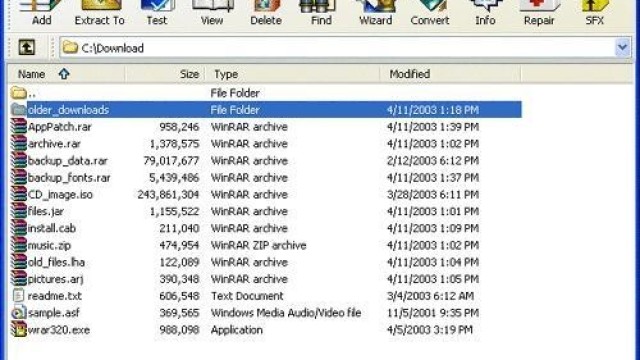
WinRAR was the name under which this software became popular after its Windows 3.0 version.


Developed by: ACD Systems
Launched: 1994

ACDSee is an image organizer, viewer, and editor originally distributed as a 16-bit application for Windows 3.0 (in 1994) and later replaced by a 32-bit version for Windows 95 (in 1997).
ACDSee 3.0 was released in 1999.
Version 5.0 was released in 2002.
Later, ACDSee Pro 6 added native 64-bit support.
Version 7.0 was released in 2005.

More ↓


Developed by: Netscape Communications (Marc Andreessen)
Launched: 1994

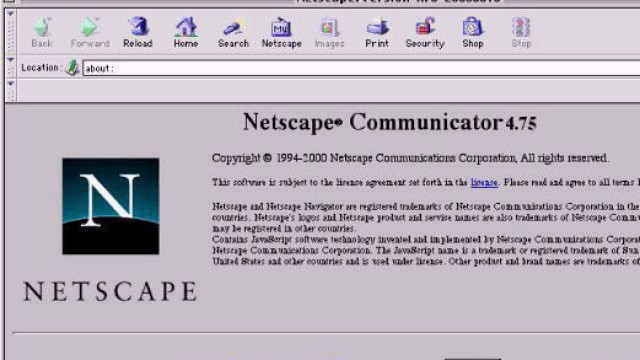
Marc Andreessen left the NCSA (National Center for Supercomputing Applications) at the University of Illinois, where he had created the Mosaic browser, to found his own company, where he would create Netscape, the first commercial browser, which would become dominant in market share.


Developed by: Fredrik "Mr. H" Huss y Magnus "Vogue" Högdahl, dos miembros del demogroup Triton
Launched: 1994

The famous TRacker with support for the venerated Gravis Ultrasound card.


Developed by: RealNetworks
Launched: 1995

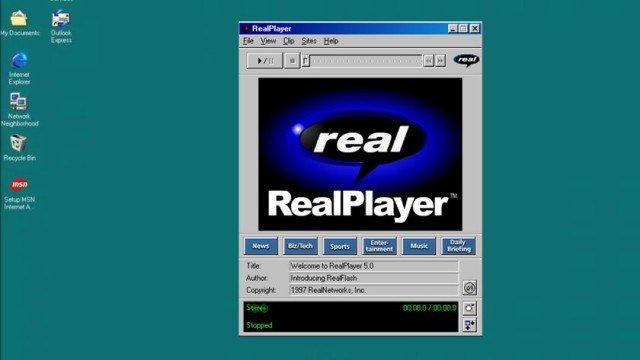
One of the oldest media players still in use. And creator of the RealAudio and RealVideo codecs.

More ↓


Developed by: Jeffrey Lim (alias Pulse)
Launched: 1995

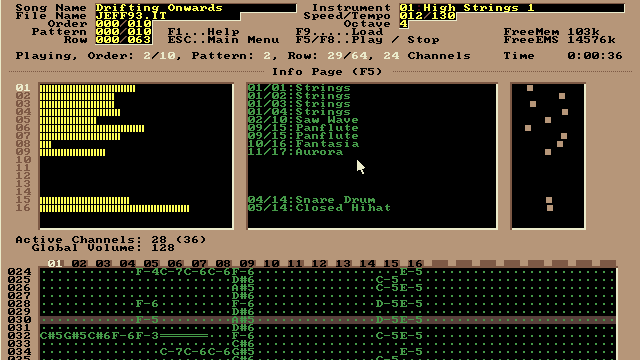
The most famous tracker for MS-DOS, competing with FastTracker 2.


Developed by: Khaled Mardam-Bey
Launched: 1995

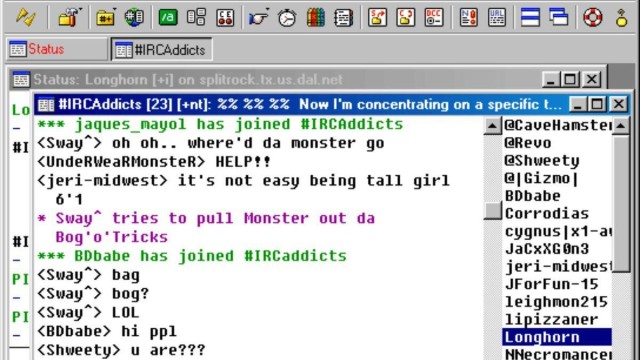
The most famous IRC client for the Windows platform.


Developed by: Microsoft
Launched: 1995

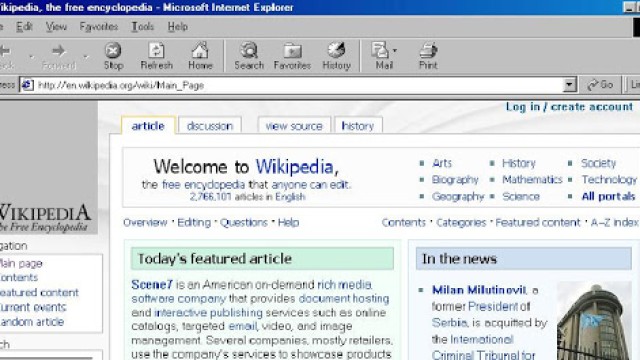
Microsoft's ubiquitous browser once held a significant market share among internet browsers, thanks in part to the fact that it was included with all Windows distributions.


Developed by: Qbik New Zealand Limited (Adrien de Croy)
Launched: 1995

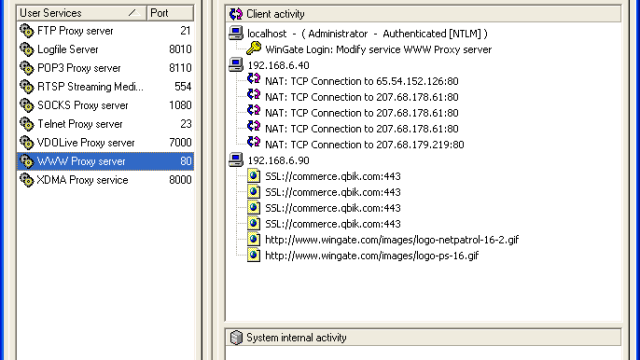
WinGate is a Web Proxy, integrated Internet Gateway and communications server that allows computers on a local network to connect to the Internet via a modem, connected to the serial port, shared on one of the computers.

More ↓


Developed by: Syntrillium
Launched: 1996

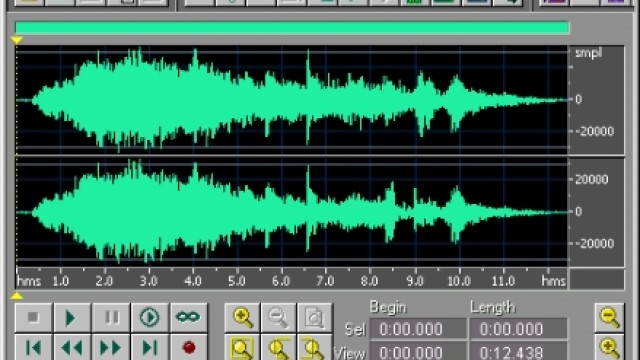
Cool Edit Pro is an advanced multi-track sound editing program for Windows. It offers the following features:

- Sound filters using DSPE (Digital Signal Processing Effect).
- Multi-track functionality. Up to 64 simultaneous tracks.
- Supports plug-ins to expand its possibilities.
- Ability to create batch process files.

More ↓


Developed by: id Software
Launched: 1996

Quake is a first-person shooter video game developed by id Software and published by GT Interactive in 1996.

More ↓


Developed by: Macromedia
Launched: 1996

It was a web browser add-on that enabled Flash Player to play content created in .SWF files. This technology was originally created to display two-dimensional vector animations and would become the preferred option for creating web applications that included audio, video, and interactivity.


Developed by: AOL
Launched: 1996

The first instant messaging program to achieve global success.
By early 2000, ICQ was used by more than 38 million users worldwide.


Developed by: Nullsoft (Justin Frankel y Dmitry Boldyrev)
Launched: 1997

The world's most famous multimedia player, which supported a multitude of file formats. Initially, music, but also video since version 3.

More ↓


Developed by: Blizard
Launched: 1998

Starcraft is a real-time strategy video game, produced by Blizzard Entertainment in 1998.

More ↓


Developed by: Microsoft
Launched: 1999

Microsoft's instant messaging system.


Developed by: Sean Parker y Shawn Fanning
Launched: 2000

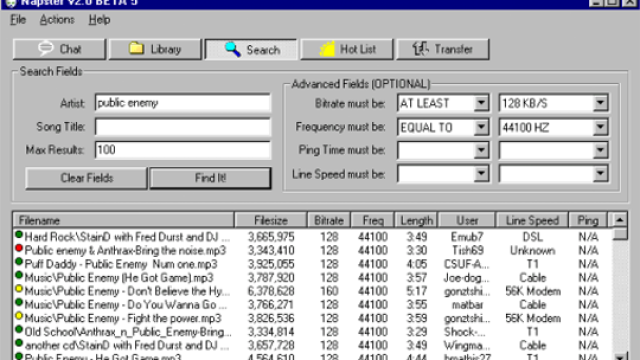
It was the first major P2P sharing network created by Sean Parker and Shawn Fanning, allowing the exchange of music files in MP3 format.