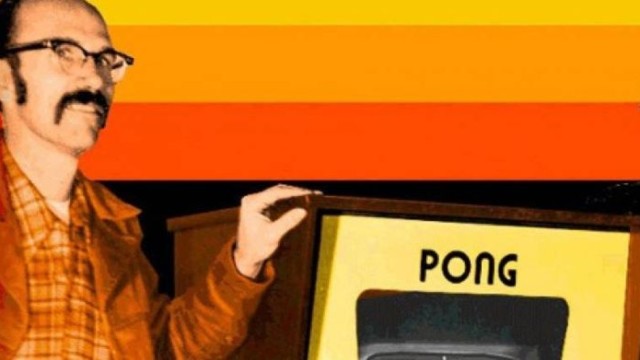
Ted Dabney
1937  San Francisco [USA]
† 2018
San Francisco [USA]
† 2018
He was the co-founder of the Atari company, along with Nolan Bushnell.
After his military service, he worked at Ampex, joining in 1961, where he met Nolan Bushnell, who was hired in 1969.
Bushnell saw the idea for Spacewar!, one of the first computer video games, and joined Dabney to found a company to produce electronic games. Bushnell and Dabney founded Syzygy in 1971 with Larry Bryan, a computer programmer.
However, upon discovering another company with the same name, they renamed it Atari in 1972.
He was a pioneer of the video game industry in the United States.
Notably, in 1971, he programmed the first commercial video game, called Computer Space, and later participated in the design of the game Pong in 1972.
He left the company in 1973.
Contemporary computing celebrities to Ted Dabney
-
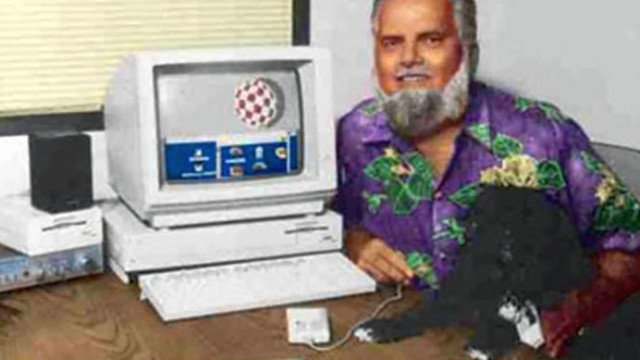 Jay Miner
1932
[USA]
† 1994
He was an integrated circuit designer, best known for developing multimedia chips for the Atari 2600 and Atari 8-bit families and as the "father of the Amiga".
-
 Jonathan Titus
1935
[USA]
In 1974, he designed the Mark-8, the first 8-bit microcomputer based on the Intel 8008 chip, which could be purchased as a kit for self-assembly.
Its publication in Radio-Electronics magazine demonstrated the editors' interest in microcomputers, and just six months later, in January 1975, they announced the Ed Roberts Altair 8800. -
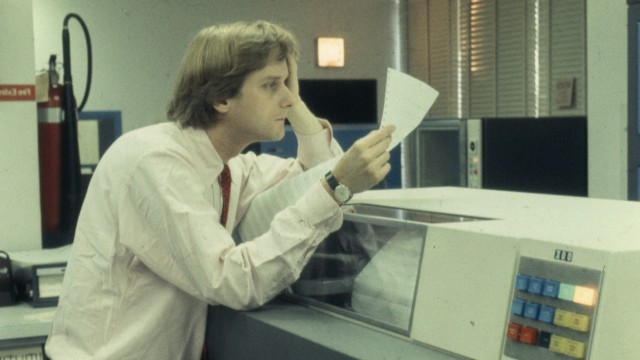 Ted Nelson
1937
Chicago [USA]
He is an American philosopher, sociologist, and information technology pioneer, known for coining the terms hypertext and hypermedia and for being the founder of the Xanadu project in the 1960s.
-
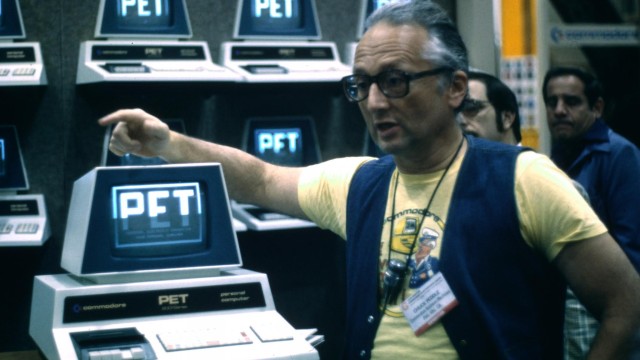 Chuck Peedle
1937
Bangor [USA]
† 2019
He was an American electronic engineer, main designer of the MOS Technology 6502 microprocessor, which equipped the KIM-1 microcomputer and its successor, the Commodore PET home computer.
-
 Stephen P. Morse
1940
New York [USA]
He was the chief architect of the Intel 8086 microprocessor, the first processor of the x86 architecture, which went on sale in 1978, and which served as the basis for its version with a reduced 8-bit bus for the IBM-PC and compatible computers.
-
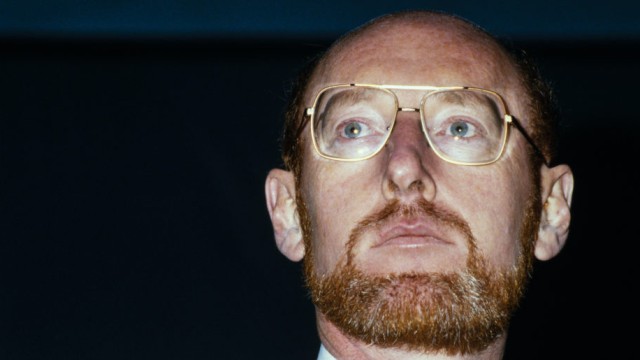 Clive Sinclair
1940 Richmond (London) [United Kingdom]
† 2021
Richmond (London) [United Kingdom]
† 2021
The inventor who set out to bring microcomputer technology to everyone, father of the hugely popular ZX Spectrum, the first computer on the market that families could afford.
-
 Dennis Ritchie
1941
Bronxville (New York) [USA]
† 2011
He was an American scientist who collaborated in the design and development of the Multics and Unix operating systems, and in the development of several programming languages such as C.
-
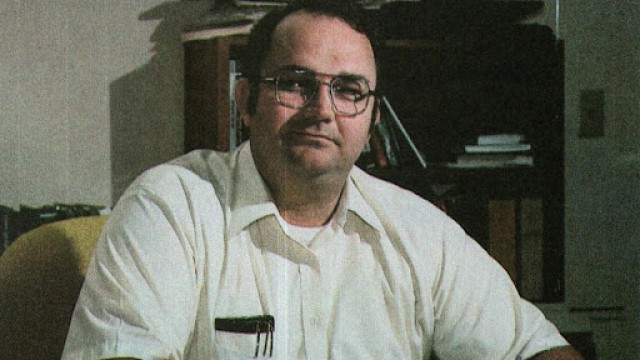 Ed Roberts
1941
Miami [USA]
† 2010
He developed the first commercially successful personal computer, the Altair 8800, which was featured on the January 1975 cover of Popular Electronics magazine and could be purchased as a kit from MITS (which he co-founded with Forrest Mims) for $397.
-
 Larry Boucher
1942
[USA]
Larry Bouncher was the creator of the SCSI interface, originally developed at Shugart Associates, for transferring data between different devices on a computer bus.
It was standardized in 1986 and is commonly used on the Commodore Amiga and some Apple models. -
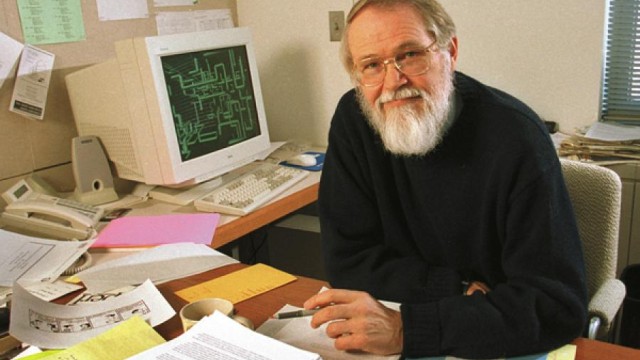 Brian Wilson Kernighan
1942 Toronto [Canada]
He is world-renowned for being one of the pioneering programmers who developed the Unix operating system kernel alongside Dennis Ritchie and Ken Thompson. He is also known as the father of the B programming language, the basis for the C programming language.


