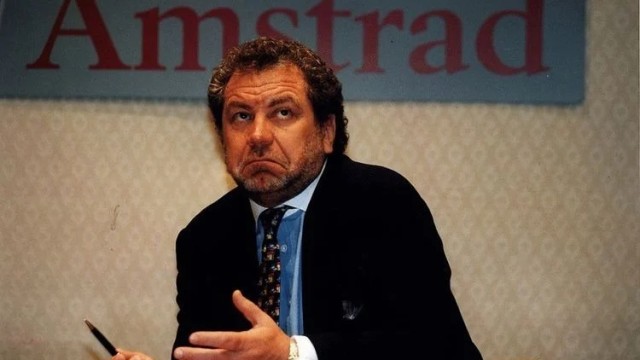
Alan Sugar
1947  Hackney (London) [United Kingdom]
Sugar founded Amstrad (Alan Michael Sugar Trading) in 1968. It began as an importer/exporter and general wholesaler, but soon specialized in consumer electronics, eventually manufacturing its own products.
In 1984, recognizing the opportunity of the personal computing era, Amstrad launched the Amstrad CPC 464, an 8-bit machine that competed with machines like the Commodore 64 and the popular Sinclair ZX Spectrum.
Contemporary computing celebrities to Alan Sugar
-
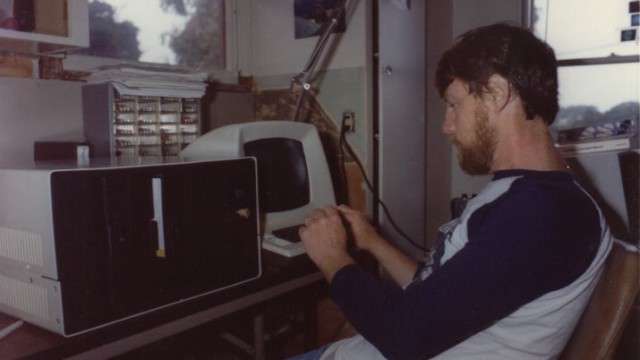 Gary Kildall
1942 Seattle [USA]
He was the creator of the CP/M operating system and founder of Digital Research, Inc., which refused to license the rights to its operating system to IBM, instead opting for Microsoft's DOS operating system, which would end up pushing it out of the market.
Paradoxically, years later, his company, Digital Research, released a version of DOS called DR-DOS, at the end of the operating system's lifespan, which enjoyed some success. -
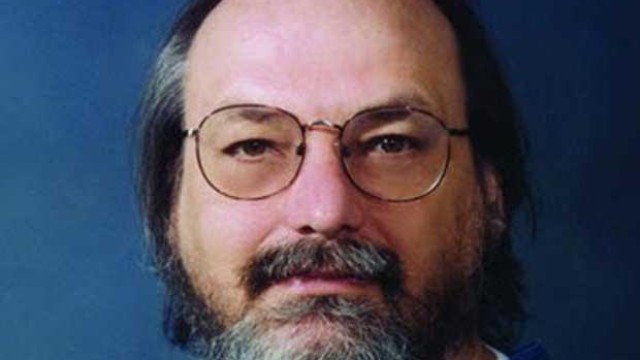 Ken Thompson
-
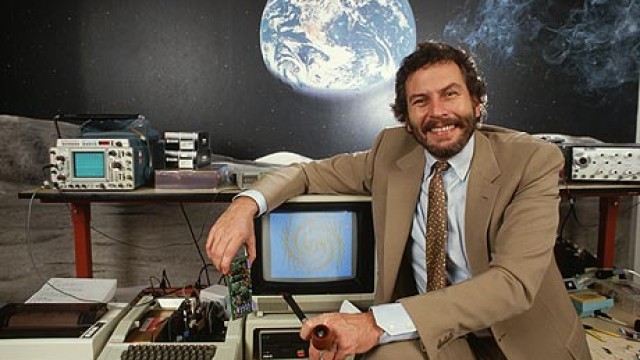 Nolan Bushnell
1943
Clearfield [USA]
The electronic engineer who founded Atari with Ted Dabney at the age of 29.
-
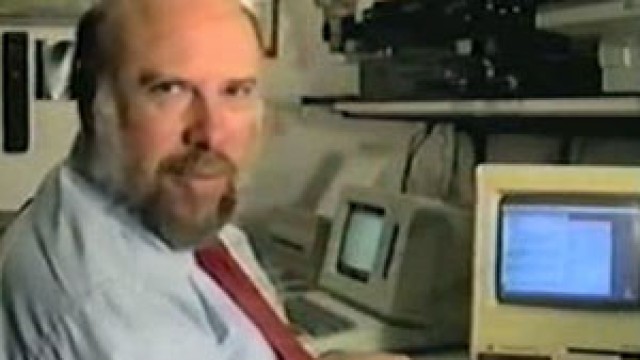 Jef Raskin
1943
New York [USA]
† 2005
User interface designer. He is best known for founding the Macintosh project for Apple Computer in the late 1970s and for the Canon Cat computers for the Japanese company Canon, which were designed for the word processing market.
-
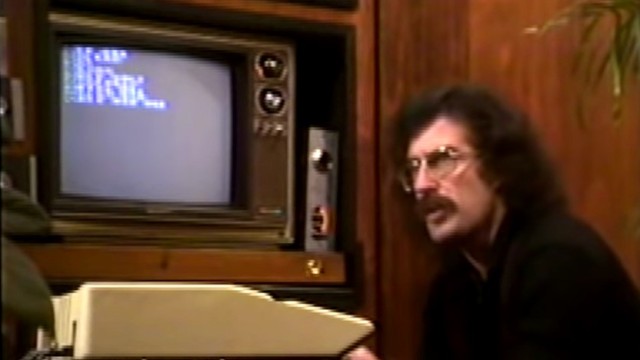 John Draper
1943
[USA]
Known as Captain Crunch, he is an American programmer and phreaker, known within hacker culture for his research into telephone operation in the early 1970s, which allowed him to make long-distance calls for free.
He is well-known in the programming and cybersecurity worlds and often leads a nomadic lifestyle. -
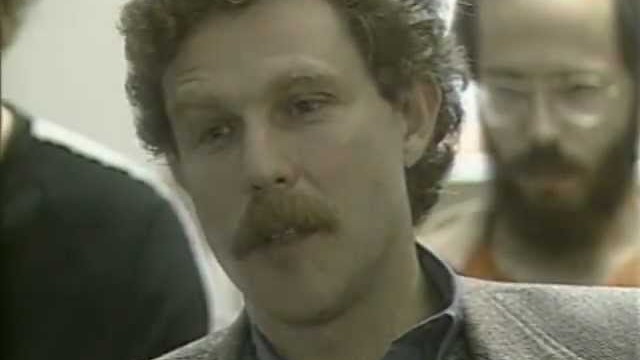 Andrew Fluegelman
1943
[USA]
† 1985
He was an editor, programmer, and lawyer, known as a pioneer of what is now known as the shareware business model for software marketing.
He was also the founding editor of PC World and Macworld and a leader of the New Games movement of the 1970s, which advocated for non-competitive game development.
-
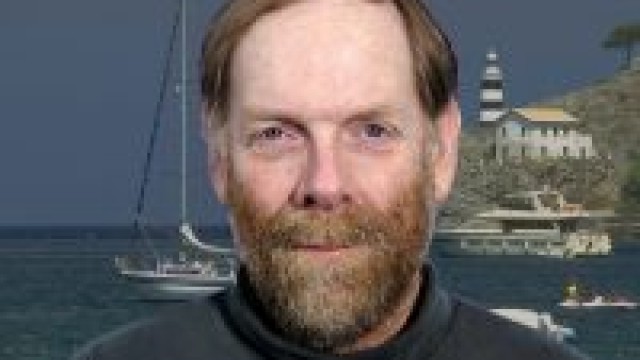 Paul Lutus
1945
Cambridge [USA]
He is the author of the word processor "Apple Writer".
-
 Terry Colligan
1947
[USA]
† 2018
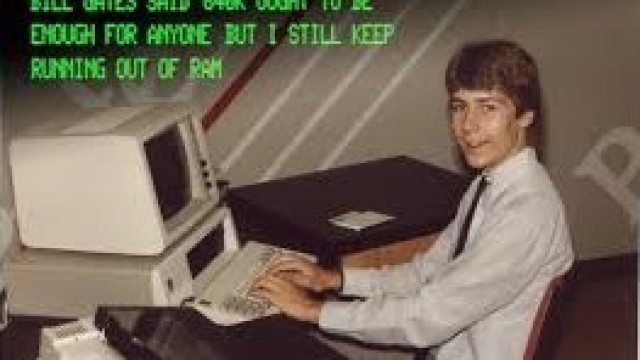
Terrance Colligan was the founder of Rational Systems (later renamed Tenberry Software), which, among other things, developed the DOS extender DOS/16M (for 16-bit systems) and DOS/4G (for 32-bit systems). This extension would be remembered for its DOS/4GW version included with Watcom compilers, which would eventually become an industry standard.
There was also a DOS/4GX for Quarterdeck's DESQview/X.
This allowed programs that took advantage of the new processors' real mode to run, even though DOS ran in protected mode for backward compatibility.
-
 Bob Frankston
1949
New York [USA]
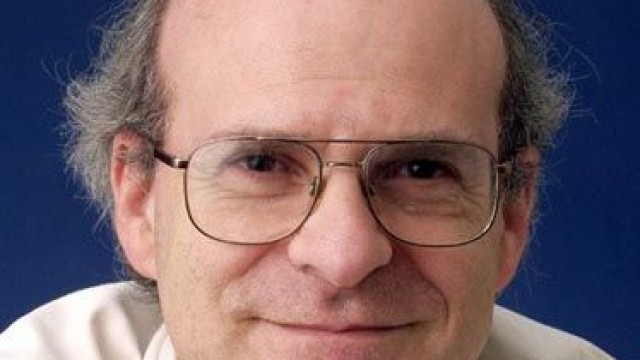
Creator of the famous VisiCalc spreadsheet along with Dan Bricklin that boosted sales of the Apple II computer.
-
 Steve Wozniak
-
 Bjarne Stroustrup
1950 Aarhus [Denmark]
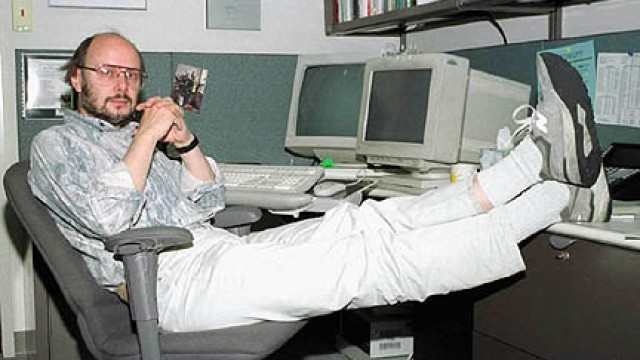
Professor of Computer Science at Texas A&M University, known for developing the C++ programming language.
-
 Steven Levy
1951
Philadelphia [USA]
He is an American journalist who writes about computing, technology, cryptography, the Internet, computer security, and privacy.
He has published articles on the subject in Newsweek magazine, to which he contributes regularly.
He is the author of Hackers (1984) and Insanely Great: The Life and Times of Macintosh, the Computer That Changed Everything (1994), among other books. -
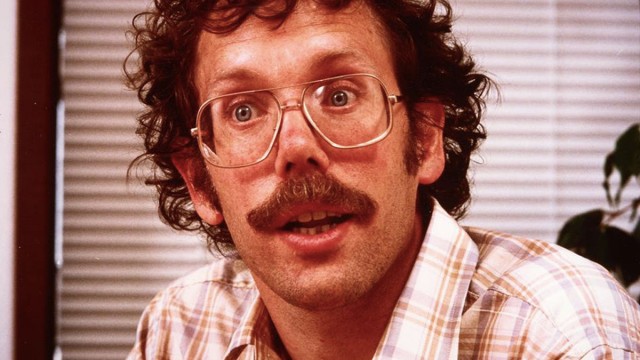 Bill Atkinson
1951
[USA]
† 1951
He was a prominent employee of Apple Computer, in charge of part of the graphical interface.
-
 Dan Bricklin
1951
Philadelphia [USA]
Dan Bricklin and Bob Frankston are the authors of the famous Visicalc software. The first version of Visicalc was developed for the Apple II; many believe the success of the latter was due to this combination.
-
 Philippe Kahn
1952 Paris [France]
Kahn is one of the four founders of Borland, created in 1983 when young Danish programmer Anders Hejlsberg reached an agreement with Philip Khan to sell the Pascal compiler that Anders had created for personal computers. Turbo Pascal was a compiler with an “environment” concept that was revolutionary at the time.
The company would be acquired by Micro Focus in 2009.
Then came:
Starfish Software, founded in 1994 (acquired by Motorola in 1998), LightSurf Technologies, founded in 1998 (acquired by VeriSign in 2005),
and Fullpower Technologies, founded in 2003.


